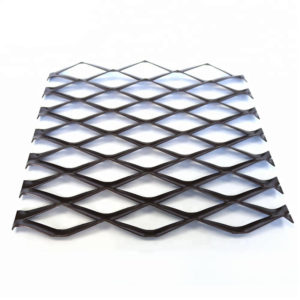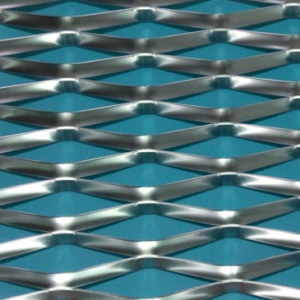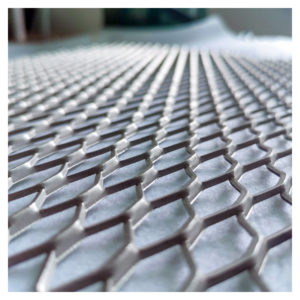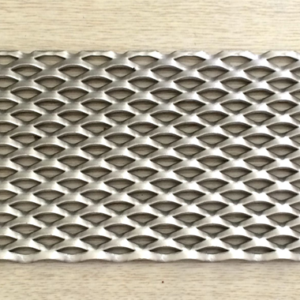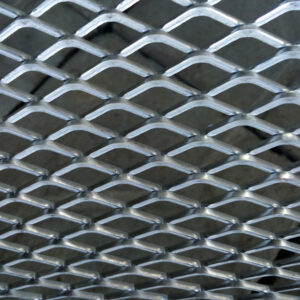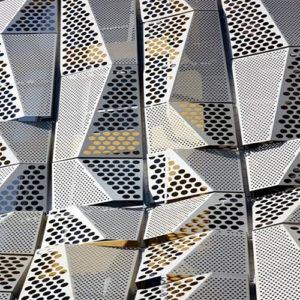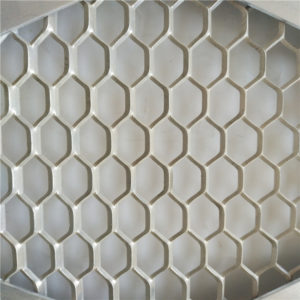
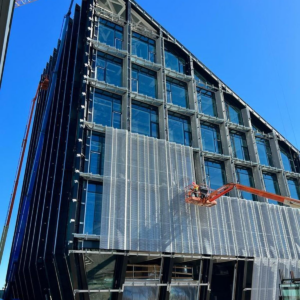
Description
Why Panel Numbering Matters for Expanded Aluminum Mesh Installation
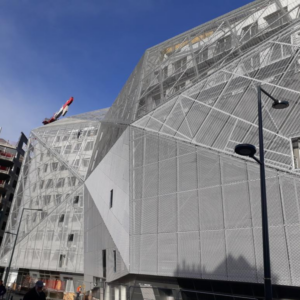
Expanded aluminum mesh panels are often manufactured in different sizes, shapes, and orientations to suit specific areas of a building facade. During installation, even panels with the same specifications may not be interchangeable. A clear panel numbering system helps installers identify each panel’s correct position, reducing installation errors, material waste, and unnecessary adjustments on site.
1. Ensures Every Panel Is Installed in the Correct Position
For large expanded aluminum mesh facades, panel layouts are usually designed according to the building’s dimensions, openings, corners, and structural supports. Individual panels may have different widths, heights, edge conditions, or cutting dimensions.
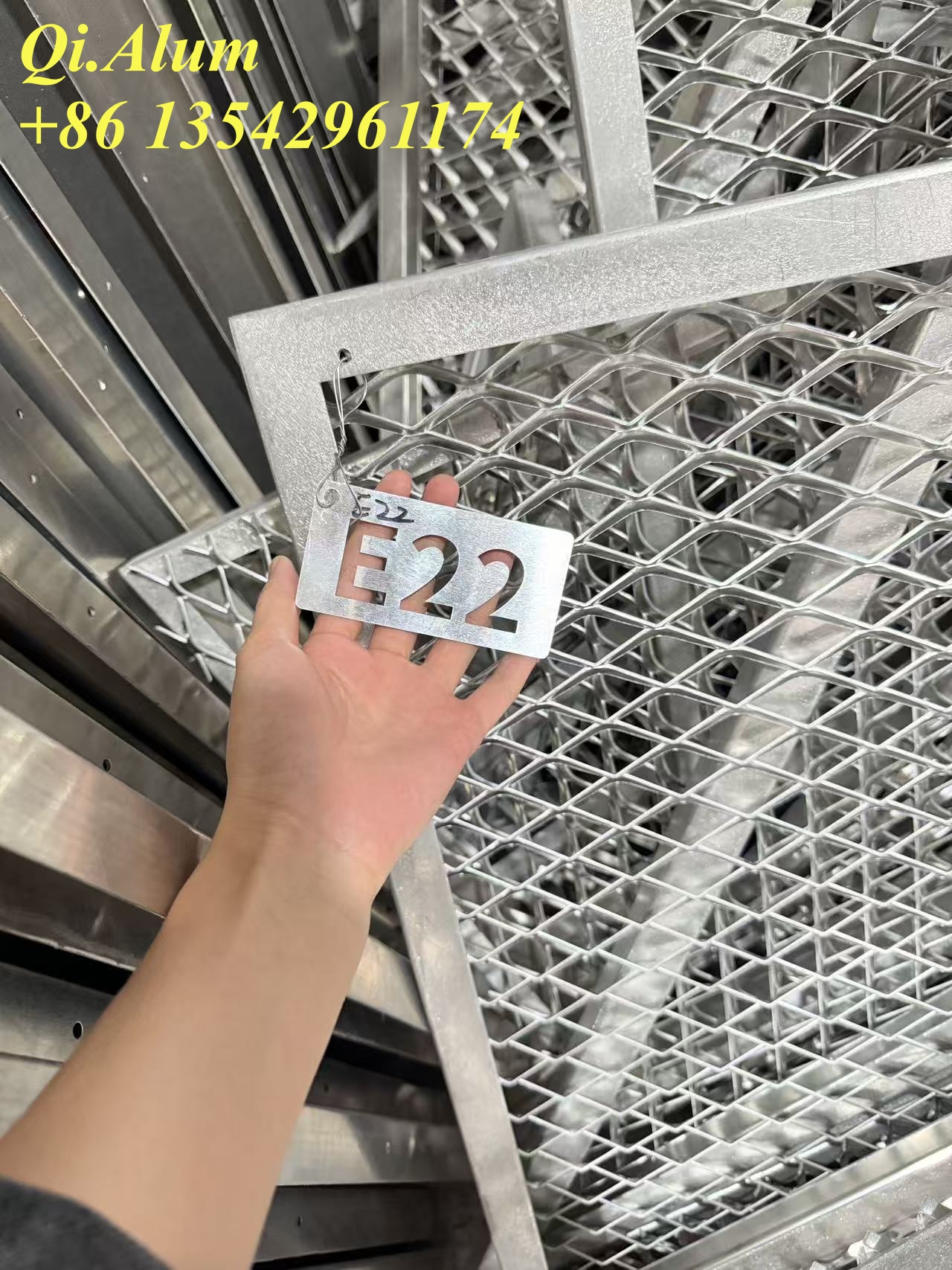
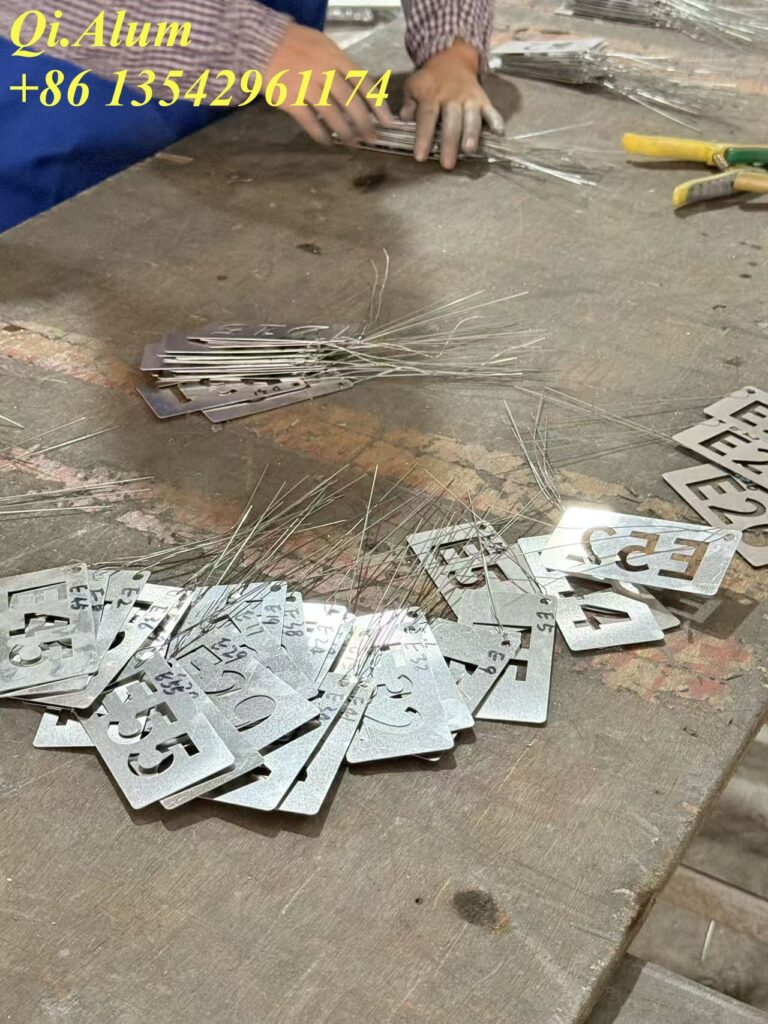
Assigning a unique number to each panel allows the installation team to match it with the corresponding location on the elevation drawing. This is particularly important for projects involving irregular facades, multiple building levels, or panels with different shapes.
Without clear numbering, installers may need to measure and compare panels repeatedly, increasing the risk of incorrect placement.
2. Maintains a Consistent Mesh Pattern
The visual effect of an expanded aluminum mesh facade depends not only on the mesh specifications but also on the direction and alignment of each panel. Installing a panel in the wrong position or rotating it incorrectly can interrupt the overall pattern.
A panel numbering system should correspond to the approved shop drawings and indicate the required installation orientation where necessary. This helps installers maintain consistent mesh direction, pattern alignment, and visual continuity across adjacent panels.
For architectural projects where the facade pattern is an important design feature, these details should be confirmed before installation begins.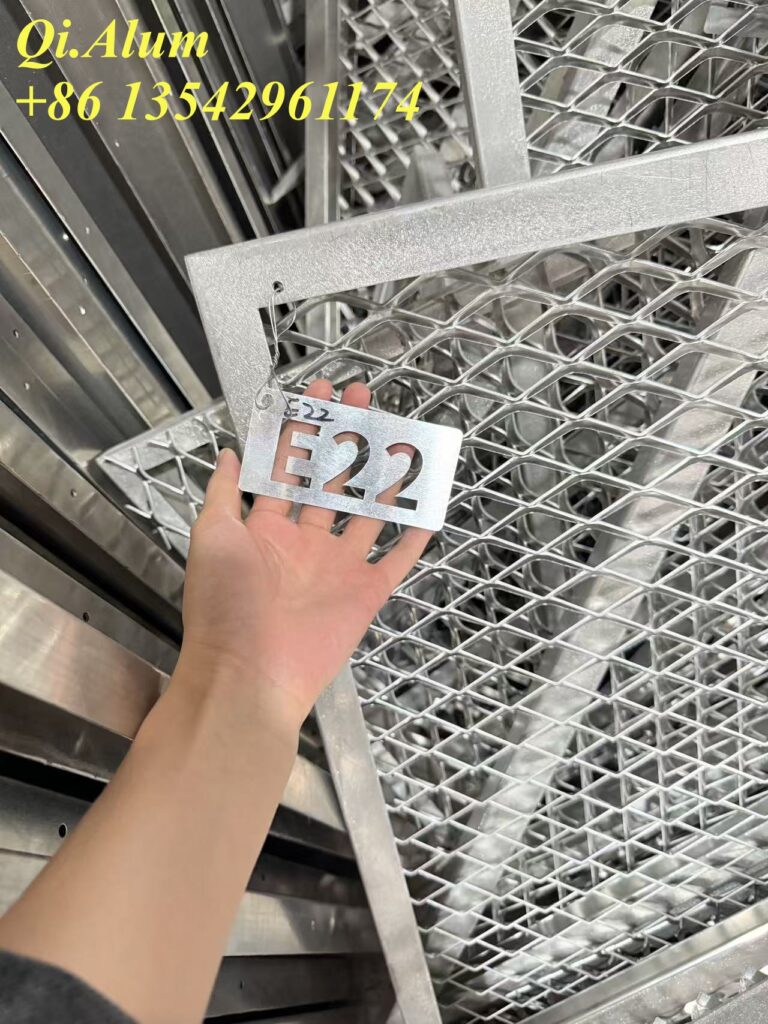
3. Reduces On-Site Cutting and Rework
Incorrect panel placement can lead to unexpected gaps, misaligned edges, or conflicts with the supporting frame. In some cases, installers may attempt to correct these problems by cutting or modifying panels on site.
However, unnecessary cutting can affect the panel’s appearance, edge quality, and fit. It may also require additional finishing or replacement.
By matching each expanded aluminum mesh panel to its designated position, the installation team can identify potential discrepancies earlier and reduce avoidable rework. This is especially useful when panels have been fabricated to project-specific dimensions.
4. Improves Installation Efficiency
A well-organized numbering system makes it easier to sort, transport, and install panels in the correct sequence. Instead of checking every panel against the drawings individually, workers can identify the required pieces by their labels.
For multi-story buildings, panels can be grouped by floor, facade elevation, grid line, or installation zone. This helps coordinate material handling, lifting operations, and installation schedules.
Clear identification also reduces confusion when several installation teams are working on different sections of the same building.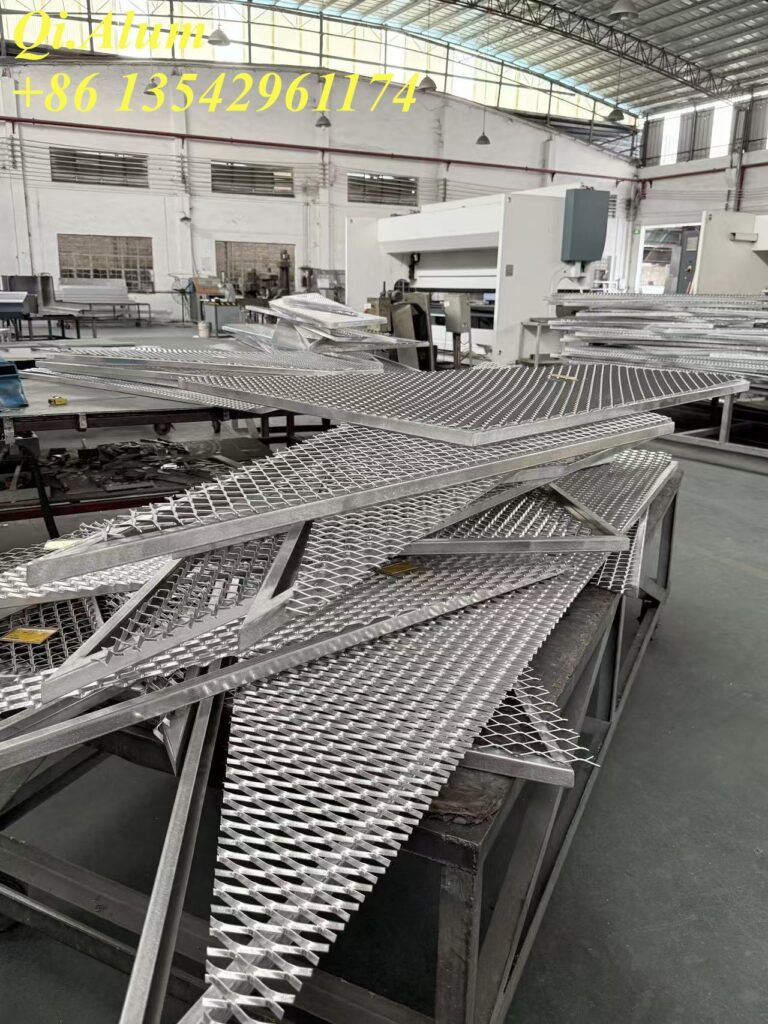
5. Simplifies Quality Inspection and Problem Tracking
Panel numbering provides a practical reference for quality control. If an installer discovers a dimensional discrepancy, damaged edge, or alignment problem, the panel number can be recorded and linked to its location on the drawings.
The project team can then determine whether the issue is related to fabrication, transportation, supporting structures, or installation.
Numbering also helps track replacement panels and confirm that revised components are delivered to the correct location. For projects with many individual panels, this traceability can save considerable time during inspection and handover.
6. How to Create an Effective Panel Numbering System
An effective numbering system should be simple, consistent, and easy to understand on site. The following practices can help:
- Follow the elevation drawings: Divide the facade into clearly identified elevations, floors, or installation zones.
- Assign a unique number to each panel: Avoid duplicate identifiers, even when several panels have identical dimensions.
- Indicate orientation where necessary: Use clear markings or drawing notes to identify the top, bottom, and required mesh direction.
- Match labels with shop drawings: Ensure that the panel number on the physical product corresponds to the same number on the approved drawings and panel schedule.
- Use durable labels: Place labels where they remain readable during transportation and handling without damaging the visible finish.
- Update revisions consistently: If a panel’s size, location, or design changes, update the relevant drawings, schedules, and labels together.
For example, a code such as E02-L03-P015 could identify panel 015 on elevation 02, level 03. The exact format can vary by project, provided that everyone involved uses the same system.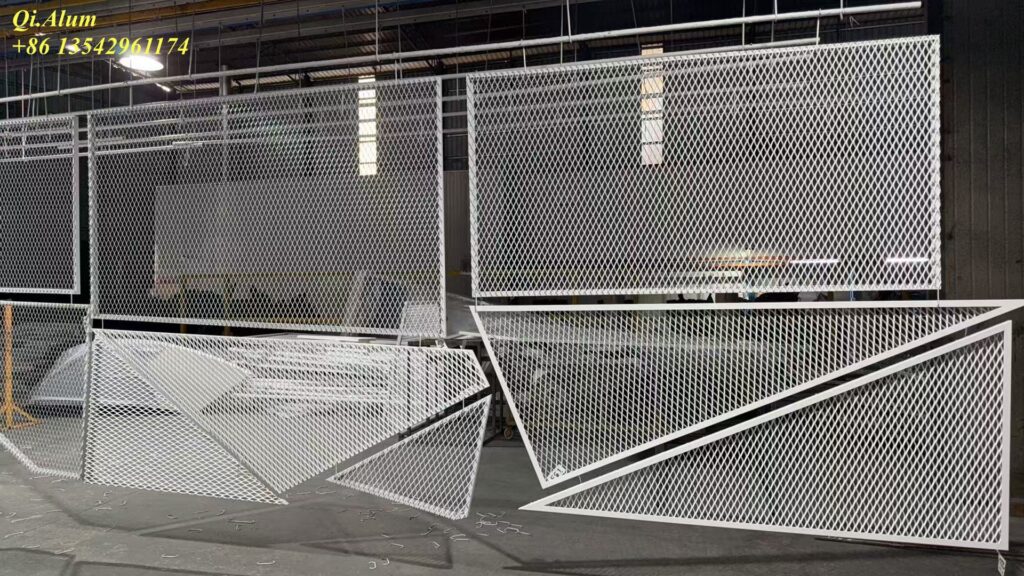
7. What Should Be Checked Before Installation?
Before installing expanded aluminum mesh panels, the site team should confirm that the delivered panels match the approved panel schedule.
Key checks include:
- Panel number and designated installation location
- Overall dimensions and edge configuration
- Mesh direction and visual pattern
- Fixing holes, brackets, and supporting frame positions
- Surface finish and any visible transportation damage
- Compatibility with adjacent panels and required joint gaps
Any mismatch should be reported and resolved before the panel is permanently fixed. If a panel cannot be identified, it is better to verify it against the drawings than to install it based on appearance alone.
Conclusion
Panel numbering is a small but essential part of expanded aluminum mesh installation. It helps ensure correct panel placement, maintains consistent mesh patterns, reduces unnecessary cutting, and improves coordination between fabrication and installation teams.
For large facade projects, the numbering system should be established during shop drawing preparation rather than introduced after the panels arrive on site. When panel labels, fabrication records, and installation drawings use the same identifiers, the entire process becomes easier to manage, inspect, and complete accurately.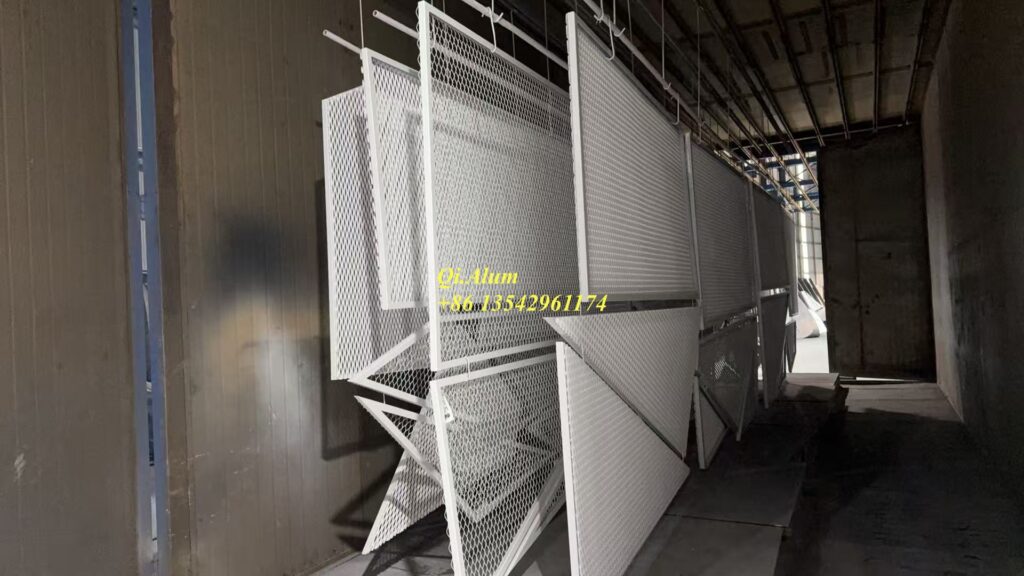
About us:
Foshan Qi Aluminum Decorative Materials Co.,Ltd, more than 12 years experience. We are manufacturer of fabricating aluminum perforated sheets, aluminum solid panels, aluminum screen,aluminum facade decorative sheets, aluminum expanded mesh, aluminum ceiling with good quality and fast delivery for more than 10 years to export countries. Our monthly supplying is about 80000 sqms for inside and outside market. Our projects covers five star hotel, high end villas, school, campus, metro station, airport, office building, shopping mall and some other goverment projects. We can provide design, fabrication and installation one stop service for your projects. High precision, quality guarantee, affordable price, globla delivery and considerate service is our basis. We accept OEM/ODM business. We are the experienced specialist on facade solution decoration!!!