Description
How to Clean Expanded Aluminum Mesh Without Damaging the Finish
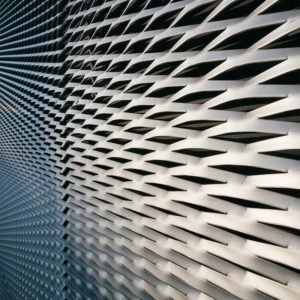
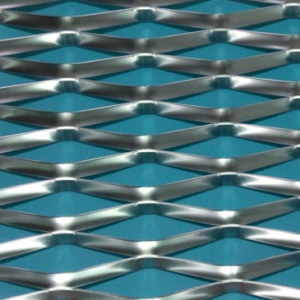
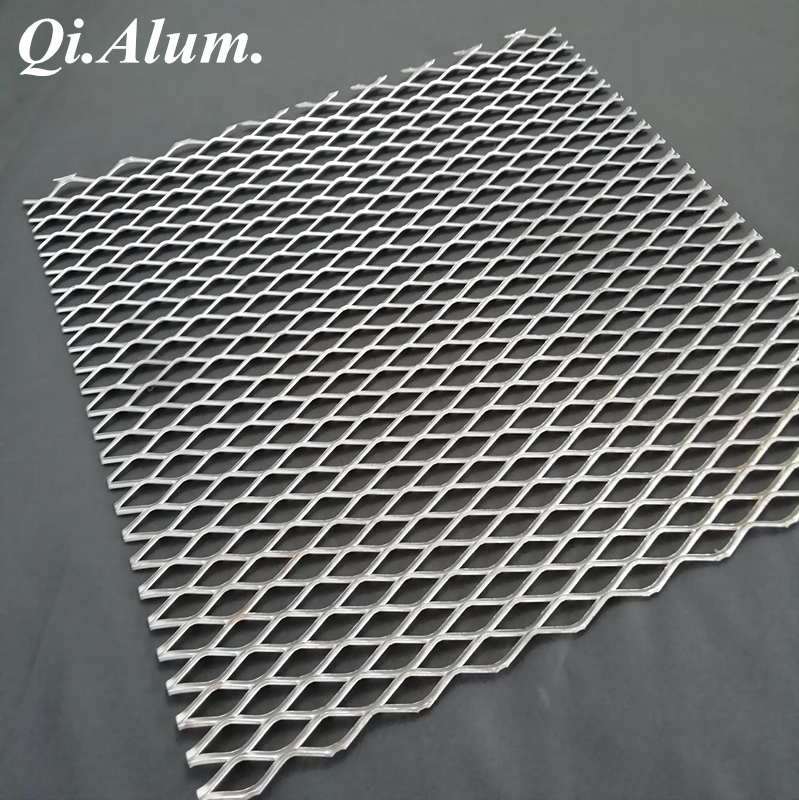
Expanded aluminum mesh is widely used for building facades, architectural screens, suspended ceilings, ventilation panels, and exterior decorative cladding. Its open diamond-shaped structure allows airflow and light to pass through while creating a distinctive architectural appearance.
However, that same open structure creates a maintenance challenge. Dust collects around the mesh strands, rainwater carries dirt into intersections, and outdoor pollution can gradually affect the surface finish.
The good news? Expanded aluminum mesh is relatively easy to maintain when the cleaning method matches the coating, installation environment, and mesh opening size.
So, how do you remove dirt without scratching the finish, bending the strands, or shortening the service life of the panels?
1. Why Does Expanded Aluminum Mesh Need Cleaning?
Aluminum naturally forms a protective oxide layer that helps resist corrosion. Architectural expanded aluminum mesh often receives an additional protective finish, such as polyester powder coating or PVDF coating.
Although these finishes improve weather resistance, they do not make the surface completely maintenance-free.
Over time, expanded aluminum mesh can accumulate:
- Airborne dust: Especially around roads, construction sites, and industrial buildings.
- Salt deposits: Common on coastal facades and buildings exposed to marine environments.
- Oil and grease: Frequently found on mesh installed near kitchens, machinery, or ventilation equipment.
- Bird droppings: These should be removed promptly to avoid prolonged contact with the coating.
- Rainwater stains: Particularly noticeable on dark-colored architectural mesh.
- Organic debris: Leaves, pollen, and other particles may become trapped between strands.
The main purpose of cleaning is not simply to restore appearance. It also prevents deposits from remaining in contact with the protective coating for extended periods.
2. How to Clean Expanded Aluminum Mesh Step by Step
Cleaning expanded aluminum mesh does not require complicated equipment. In most cases, clean water, a mild detergent, and a soft brush are sufficient.
Step 1: Remove Loose Dust and Debris
Start by removing loose dirt using a soft-bristle brush or a gentle stream of water.
For expanded aluminum mesh ceilings or indoor decorative screens, a vacuum cleaner with a soft brush attachment can help remove dust without spreading it throughout the room.
Avoid using metal brushes, steel wool, or abrasive cleaning pads.
Practical tip: Brush along the direction of the mesh strands rather than pressing directly against unsupported openings.
Step 2: Prepare a Mild Cleaning Solution
Mix a small amount of pH-neutral detergent with clean water.
Avoid strongly acidic or alkaline cleaning products unless the coating manufacturer has specifically approved them.
Aggressive chemicals can damage protective finishes, discolor the surface, or affect exposed aluminum.
Before cleaning a large facade, test the solution on a small, less visible section.
Step 3: Clean Both Sides of the Mesh
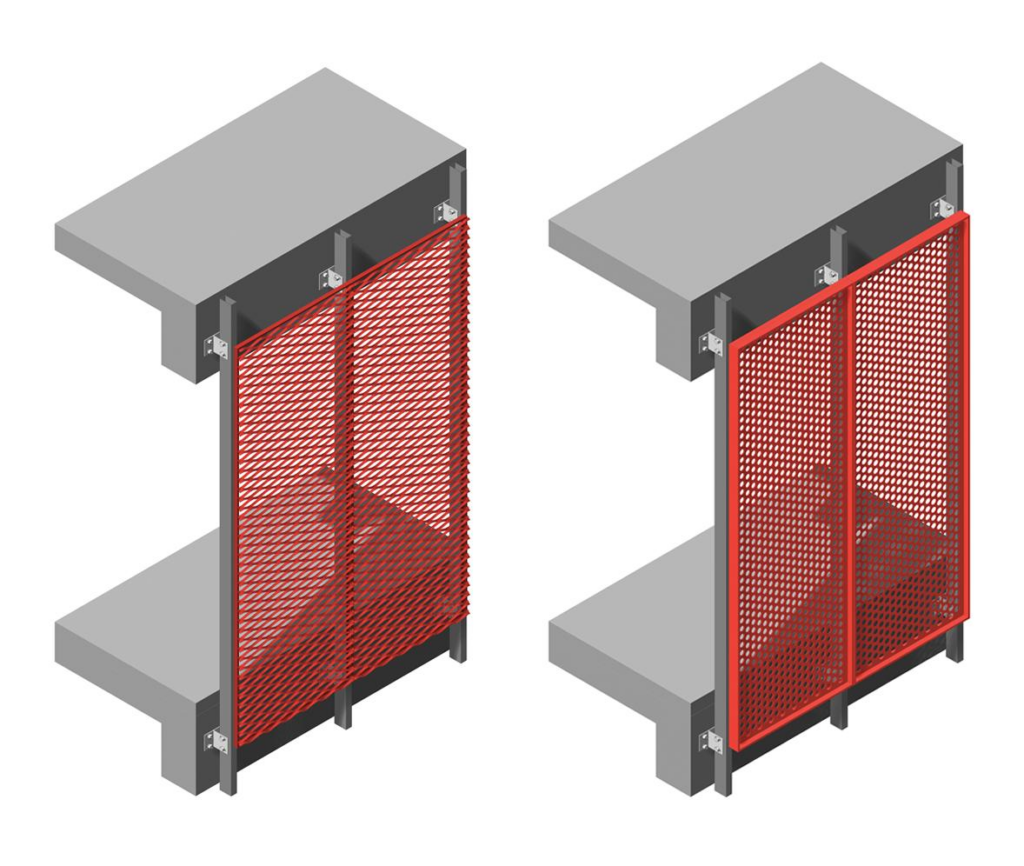
Unlike solid aluminum panels, expanded aluminum mesh has exposed strand edges and angled surfaces.
Cleaning only the front face may leave dirt trapped on the rear side.
Use a soft sponge or brush to clean accessible surfaces, including the sides of the strands and the areas around the mesh openings.
For large architectural screens, a low-pressure water rinse can help reach difficult areas.
Step 4: Rinse Thoroughly
Rinse the mesh with clean water to remove detergent residue.
Remaining detergent can leave visible marks, particularly on black, bronze, and other dark-colored finishes.
Where practical, rinse from the upper sections downward so dirty water does not run over already-cleaned areas.
Step 5: Allow the Mesh to Dry
Outdoor expanded aluminum mesh normally dries naturally because its open structure encourages airflow.
For interior applications, a clean microfiber cloth can be used to remove excess water from accessible areas.
Pay attention to panel connections, frames, and fixing brackets where water may collect.
3. Can You Use a Pressure Washer on Expanded Aluminum Mesh?
Pressure washing may seem like the fastest solution for cleaning large aluminum mesh facades.
However, high-pressure cleaning is not always suitable for expanded aluminum mesh.
Thin strands, raised mesh profiles, and unsupported sections may deform when exposed to concentrated water pressure.
Excessive pressure may also affect damaged coatings or force water into joints and concealed areas.
For safer cleaning:
- Use a gentle spray rather than a concentrated jet.
- Keep the nozzle at a suitable distance from the mesh.
- Avoid directing water into panel joints and electrical installations.
- Test the method on a small area first.
- Follow the coating manufacturer’s cleaning instructions.
For delicate decorative mesh, manual washing is generally the safer option.
4. How Often Should Expanded Aluminum Mesh Be Cleaned?
There is no universal cleaning interval for every project.
The maintenance frequency depends on the building location, exposure conditions, surface coating, and amount of accumulated dirt.
The following table provides a general starting point for maintenance planning.
| Installation Environment | Suggested Initial Cleaning Schedule |
|---|---|
| Indoor decorative ceilings | Every 6–12 months |
| Urban building facades | Every 6–12 months |
| Coastal architectural screens | Every 3–6 months |
| Industrial buildings | Every 3–6 months |
| High-pollution roadside facades | Every 3–6 months |
These intervals are planning guidelines rather than coating warranty requirements. More frequent cleaning may be necessary in severe environments, while the coating supplier’s instructions should always take priority.
For example, expanded aluminum mesh installed near the ocean may require more frequent freshwater rinsing to remove salt deposits.
In contrast, mesh installed inside an air-conditioned commercial building may only need occasional dust removal.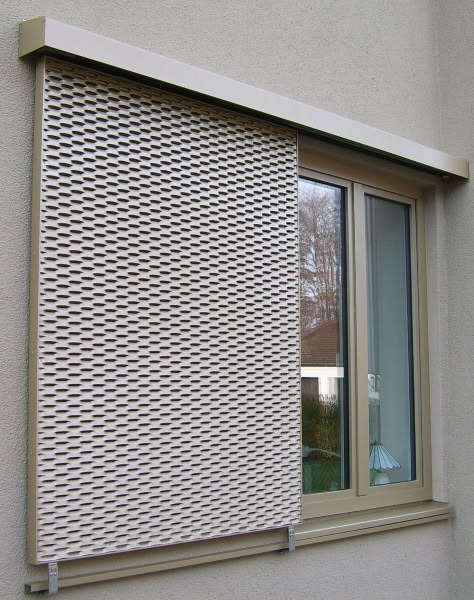
5. Does Powder-Coated Expanded Aluminum Mesh Require Special Maintenance?
Powder-coated expanded aluminum mesh is popular for architectural facades because it offers a wide range of colors and a durable decorative finish.
However, incorrect cleaning can damage the coating.
Avoid Abrasive Cleaning Tools
Hard brushes and abrasive pads may scratch the coating, leaving visible marks or reducing its protective performance.
Avoid Strong Chemical Cleaners
Do not use paint removers, strong solvents, acidic descalers, or highly alkaline detergents unless explicitly approved by the coating manufacturer.
Remove Bird Droppings Promptly
Bird droppings and other stubborn contaminants should not remain on the coating for long periods.
Soften the deposits with clean water before gently removing them.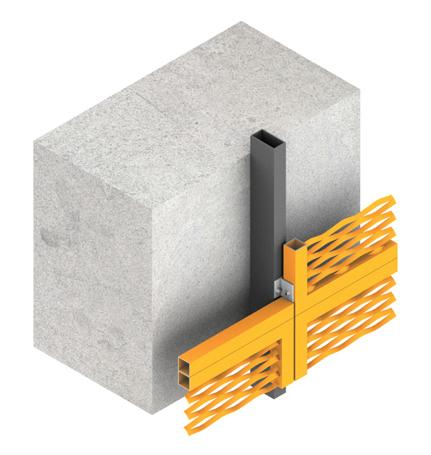
Inspect for Coating Damage
During cleaning, check for scratches, chips, peeling, or exposed aluminum.
Small coating defects should be assessed and repaired using a compatible system recommended by the coating supplier.
Important: A powder-coated aluminum mesh panel may still look clean while having coating damage around its edges or fixing points. Visual inspection is therefore just as important as washing.
6. How to Maintain PVDF-Coated Expanded Aluminum Mesh
PVDF-coated expanded aluminum mesh is frequently specified for exterior architectural applications where long-term color and weather resistance are important.
Its performance depends on the coating system, pretreatment, application quality, and exposure conditions.
Although PVDF finishes are designed for demanding environments, they still require periodic cleaning.
Recommended practices include:
- Washing with clean water and approved mild detergents.
- Removing salt deposits and industrial pollution.
- Inspecting coating conditions around cut edges and connections.
- Avoiding aggressive chemicals and abrasive tools.
- Following the coating supplier’s maintenance and warranty requirements.
For large commercial facade projects, maintaining cleaning and inspection records can also help with long-term building management.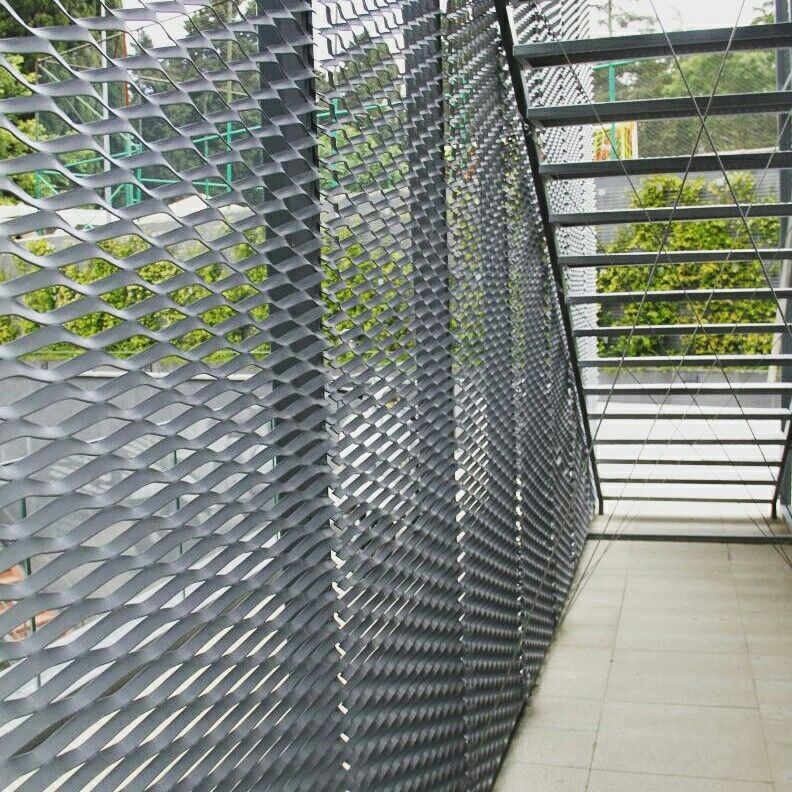
7. How to Remove Stubborn Stains From Aluminum Mesh
Not every stain can be removed using the same cleaning method.
Oil and grease stains
Use a mild detergent suitable for coated aluminum surfaces. Allow it to loosen the contamination before wiping gently and rinsing thoroughly.
White deposits
White marks may result from mineral deposits, cleaning residue, or aluminum corrosion products.
Identify the cause before attempting removal. Do not immediately apply acidic cleaners, as they may damage the finish.
Dark pollution stains
Airborne pollution may accumulate around strand intersections. Gentle brushing and repeated rinsing are preferable to aggressive scrubbing.
Rust-colored stains
Aluminum itself does not develop the red rust associated with iron. Rust-colored staining may originate from nearby steel components, fasteners, or other contamination.
Inspect the source before cleaning the mesh.
If stains remain after gentle cleaning, consult the coating supplier rather than experimenting with stronger chemicals.
8. Common Cleaning Mistakes That Can Damage Aluminum Mesh
Some maintenance problems are caused by the cleaning process rather than the environment.
One common mistake is using excessive force to remove stubborn dirt.
Expanded aluminum mesh is manufactured by cutting and stretching aluminum sheets to form interconnected openings. Depending on strand dimensions and panel support, some profiles can be bent or distorted by concentrated force.
Other mistakes include cleaning hot panels in direct sunlight, allowing detergent to dry on the coating, using incompatible cleaning chemicals, and ignoring damaged fasteners.
For large exterior facades, cleaning equipment and access methods should also be planned carefully to avoid damaging the panels or creating safety risks.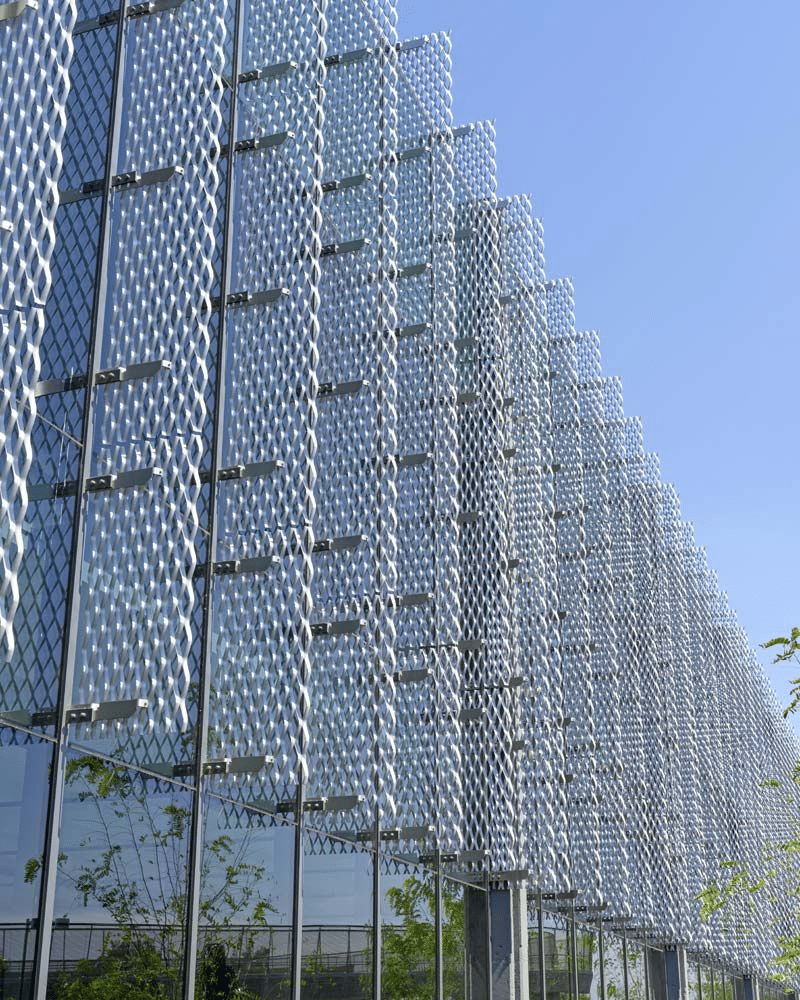
9. When Should Expanded Aluminum Mesh Be Repaired or Replaced?
Routine cleaning cannot solve every maintenance issue.
Inspect the mesh for the following warning signs:
- Bent or permanently deformed strands.
- Loose fixing brackets or damaged connections.
- Peeling, blistering, or extensive coating deterioration.
- Cracks around attachment points.
- Significant corrosion or deterioration of supporting components.
Minor cosmetic damage may be repairable, depending on the coating system.
However, severely distorted panels or damaged structural connections should be assessed by qualified professionals.
For architectural facades, replacement panels should match the original mesh opening dimensions, strand width, thickness, finish, and installation details.
10. How to Reduce Maintenance Costs Before Installation
The easiest aluminum mesh facade to maintain is one that was designed with cleaning access in mind.
Before ordering expanded aluminum mesh for an architectural project, consider three practical details.
First, choose the appropriate coating. Coastal and industrial environments may require more demanding corrosion protection than ordinary indoor applications.
Second, consider the mesh opening size. Small openings and dense mesh patterns can trap more debris and may be harder to clean than larger openings.
Third, plan accessible installation details. Removable panels, accessible fixing points, and suitable drainage arrangements can simplify future inspection and cleaning.
These decisions can influence long-term maintenance costs as much as the initial material price.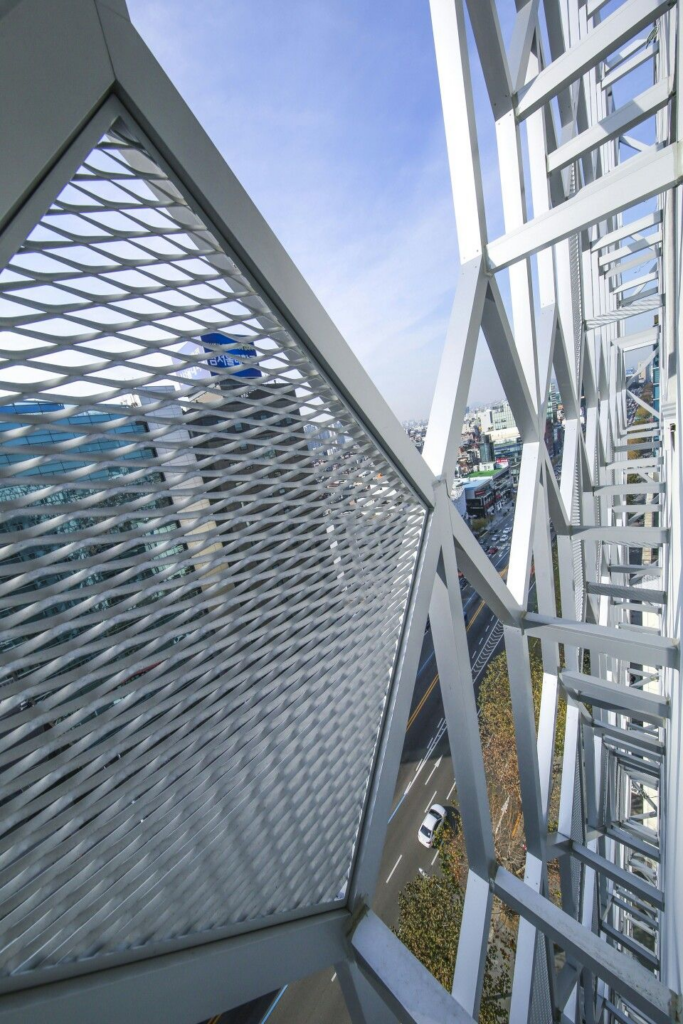
11. Expanded Aluminum Mesh Solutions From Foshan Qi Aluminum
At Foshan Qi Aluminum Decorative Materials Co., Ltd., we manufacture expanded aluminum mesh for architectural facades, decorative screens, suspended ceilings, and other building applications.
Our factory supports project-specific mesh dimensions, aluminum thicknesses, opening patterns, and surface finishes, including powder coating and PVDF coating options.
For contractors, architects, and building material importers, we can assist with material selection, fabrication drawings, samples, and production requirements.
Choosing the right mesh specification and coating system from the beginning can make future cleaning and maintenance significantly easier.
Website: https://aluminum-panel.com/
Email: [email protected]
WhatsApp: +86 13542961174
Frequently Asked Questions
Can expanded aluminum mesh be cleaned with water?
Yes. Clean water is generally suitable for routine washing of aluminum mesh. For coated panels, use gentle water pressure and follow the coating manufacturer’s recommendations.
Will expanded aluminum mesh rust after washing?
Aluminum does not develop red iron rust. However, it can corrode under unfavorable conditions, especially where salts, trapped moisture, or incompatible metals are involved.
Can vinegar be used to clean aluminum mesh?
Vinegar is acidic and may not be compatible with certain coatings or exposed aluminum surfaces. A pH-neutral cleaner is generally a safer starting point.
How do you clean black expanded aluminum mesh?
Use clean water, a soft sponge, and a mild detergent. Rinse thoroughly to minimize visible detergent residue and water marks.
Does outdoor expanded aluminum mesh need regular maintenance?
Yes. Periodic cleaning and inspection help preserve the appearance of the finish and identify damage before it becomes more serious.
Final Thoughts
Expanded aluminum mesh does not require complicated maintenance, but it should never be treated as completely maintenance-free.
The best cleaning approach is simple: remove deposits before they build up, use gentle cleaning methods, protect the surface coating, and inspect the panels regularly.
With appropriate material selection, coating quality, installation details, and maintenance practices, expanded aluminum mesh can remain an attractive and functional architectural element for many years.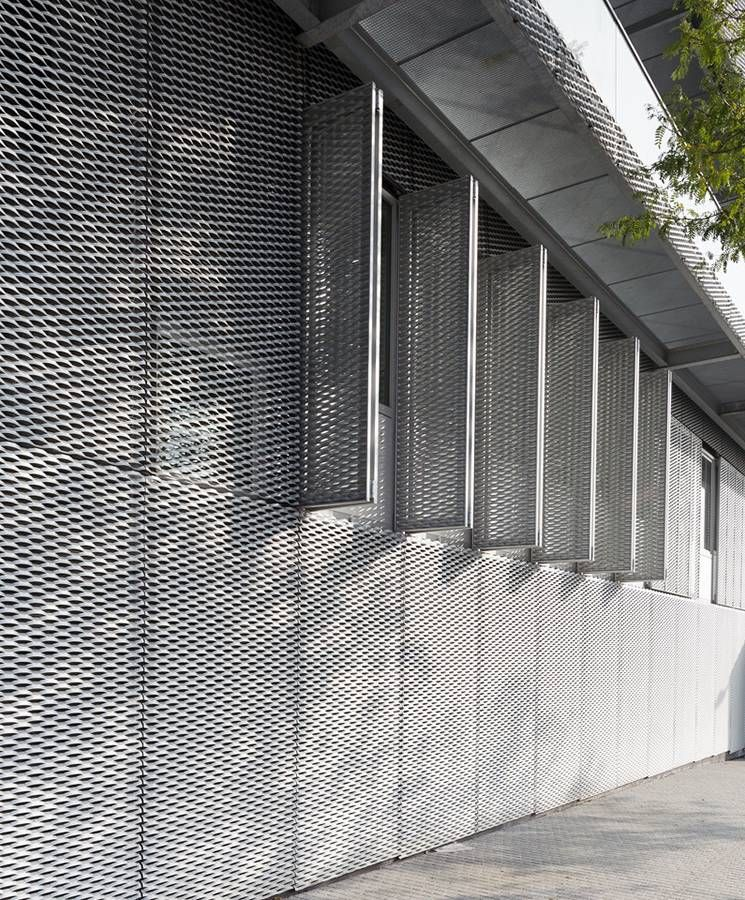
About us:
Foshan Qi Aluminum Decorative Materials Co.,Ltd, more than 12 years experience. We are manufacturer of fabricating aluminum perforated sheets, aluminum solid panels, aluminum screen,aluminum facade decorative sheets, aluminum expanded mesh, aluminum ceiling with good quality and fast delivery for more than 10 years to export countries. Our monthly supplying is about 80000 sqms for inside and outside market. Our projects covers five star hotel, high end villas, school, campus, metro station, airport, office building, shopping mall and some other goverment projects. We can provide design, fabrication and installation one stop service for your projects. High precision, quality guarantee, affordable price, globla delivery and considerate service is our basis. We accept OEM/ODM business. We are the experienced specialist on facade solution decoration!!!