Description
What Fire Performance Should Be Considered for Insulated Aluminum Wall Panels?
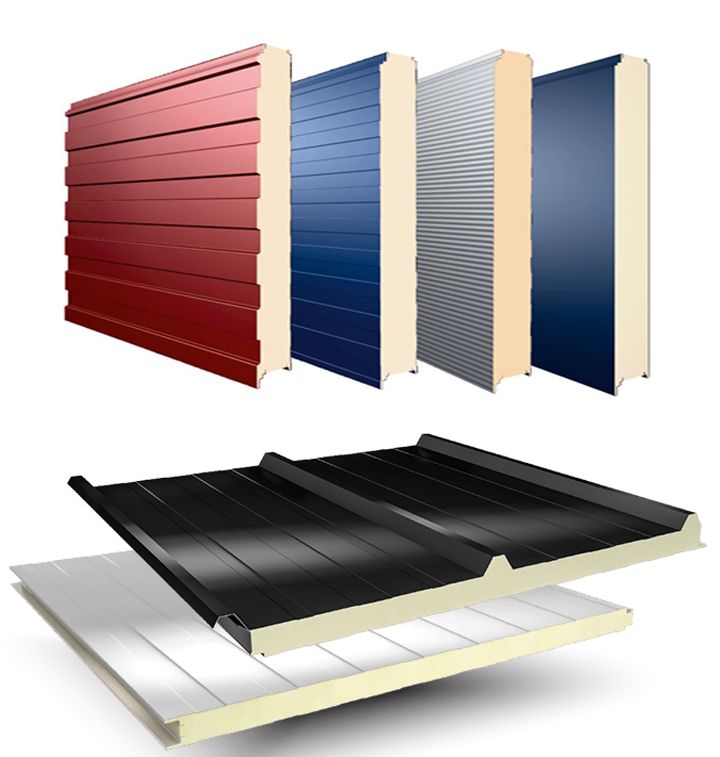
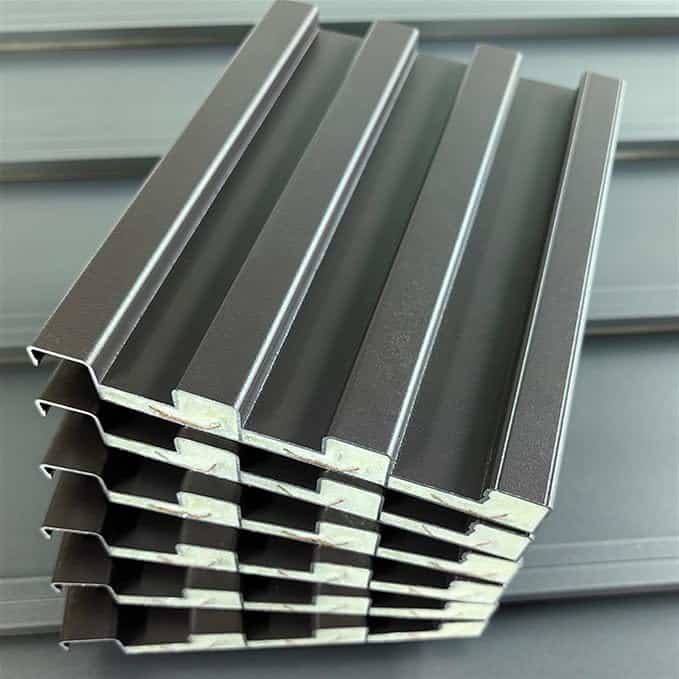
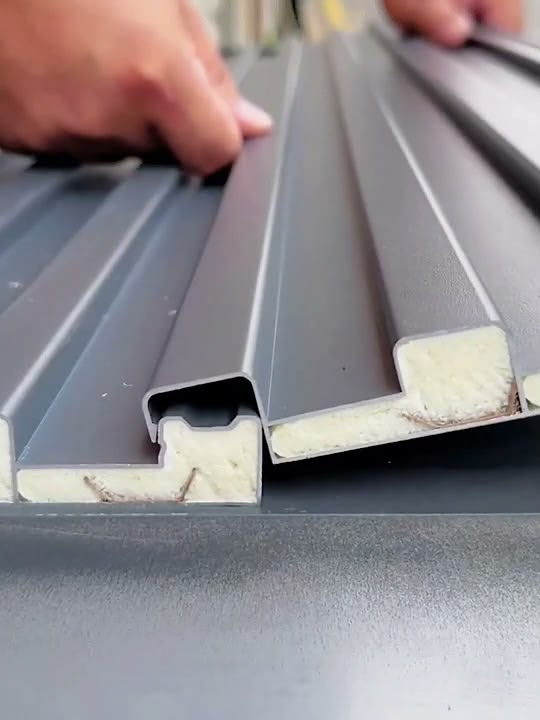
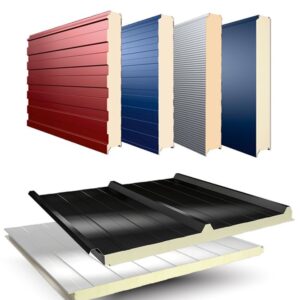
When an insulated aluminum wall panel is specified for an exterior wall, fire performance should not be judged by the aluminum skin alone. The aluminum itself is non-combustible in many common applications, but the insulation core, adhesive, coating, joints, cavity and supporting wall assembly can all affect how the complete system behaves in a fire.
For architects, facade engineers and contractors, the more useful question is therefore not simply “Is the aluminum panel fire resistant?” but rather:
How does the complete insulated wall panel system perform when exposed to fire?
That distinction becomes particularly important for large facade areas, high-rise buildings and projects where the panel forms part of a rainscreen or ventilated facade.
1. Start With the Insulation Core
The insulation material is usually one of the first components to examine.
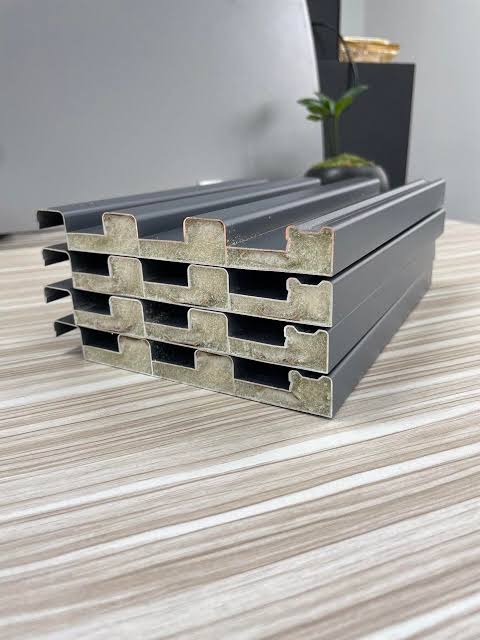
Different insulated aluminum wall panels can use different core materials, including mineral wool and various polymer-based insulation products. Their reaction to fire can be significantly different.
A panel with a non-combustible mineral wool core, for example, may have very different fire characteristics from a panel using a combustible foam core.
This does not automatically mean that one type is suitable for every building. The required performance depends on the building type, height, facade configuration, local regulations and the applicable test method.
For this reason, the core should be specified as part of the complete panel system rather than treated as a hidden material inside the panel.
2. Reaction to Fire Is Not the Same as Fire Resistance
These two terms are often mixed together, but they describe different properties.
Reaction to fire concerns how a material behaves when exposed to a fire. Typical considerations include ignition, flame spread, heat release and smoke production.
Fire resistance, on the other hand, generally refers to how long a building element or assembly can maintain specified performance under fire exposure.
For an insulated aluminum wall panel, a good fire specification should therefore identify which property is actually required.
A material classification alone does not necessarily tell you how an entire exterior wall assembly will perform.
3. Look at the Complete Wall Assembly
An insulated aluminum panel rarely works as an isolated component.
A typical exterior wall may include:
- Aluminum outer skin
- Insulation core
- Adhesive or bonding layer
- Subframe or support rails
- Fasteners and brackets
- Air or drainage cavity
- Membranes
- Insulation behind the facade
- Structural wall
- Panel joints and perimeter details
During a fire, these components interact.
For example, an air cavity behind the cladding can become an important part of fire behavior. A combustible membrane or insulation layer behind an otherwise non-combustible panel may also change the performance of the overall facade.
This is why project specifications should distinguish between component-level fire data and tested wall-system performance.
4. Panel Joints Deserve Special Attention
Large insulated aluminum wall panels often contain numerous horizontal and vertical joints.
These joints are more than visual details. Depending on the facade construction, they may influence the movement of hot gases, flames and smoke through the wall system.
The joint design may include:
- Mechanical fasteners
- Gaskets
- Sealants
- Backing materials
- Fire-resistant barriers
- Horizontal or vertical cavity barriers
A panel can have favorable material characteristics while the complete facade still requires additional fire protection at specific locations.
For larger projects, it is useful to review typical joint details together with the fire strategy rather than approving the panel separately from the facade construction.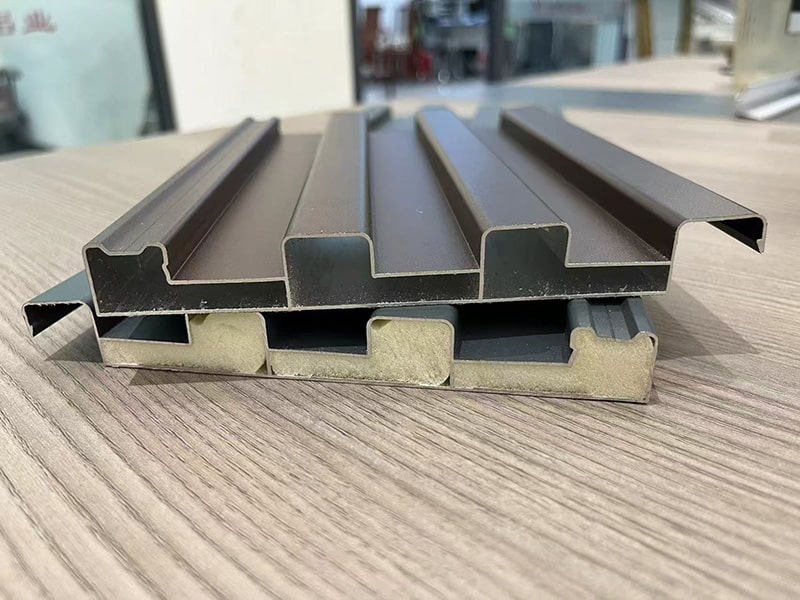
5. Consider Cavity Barriers in Ventilated Facades
Many insulated aluminum wall panels are installed as part of rainscreen or ventilated facade systems.
The cavity behind the external panel helps manage drainage and ventilation, but it can also create a continuous pathway within the facade.
Where required by local regulations and the project fire strategy, cavity barriers or fire stops may be incorporated to limit the vertical or horizontal movement of fire.
Their location matters.
For example, the requirements may be different around:
- Floor slabs
- Window openings
- Doors
- Facade transitions
- Building corners
- Compartment boundaries
- Changes in wall construction
The panel supplier, facade engineer and fire consultant should therefore coordinate these details before fabrication.
6. Do Not Ignore the Coating and Surface Finish
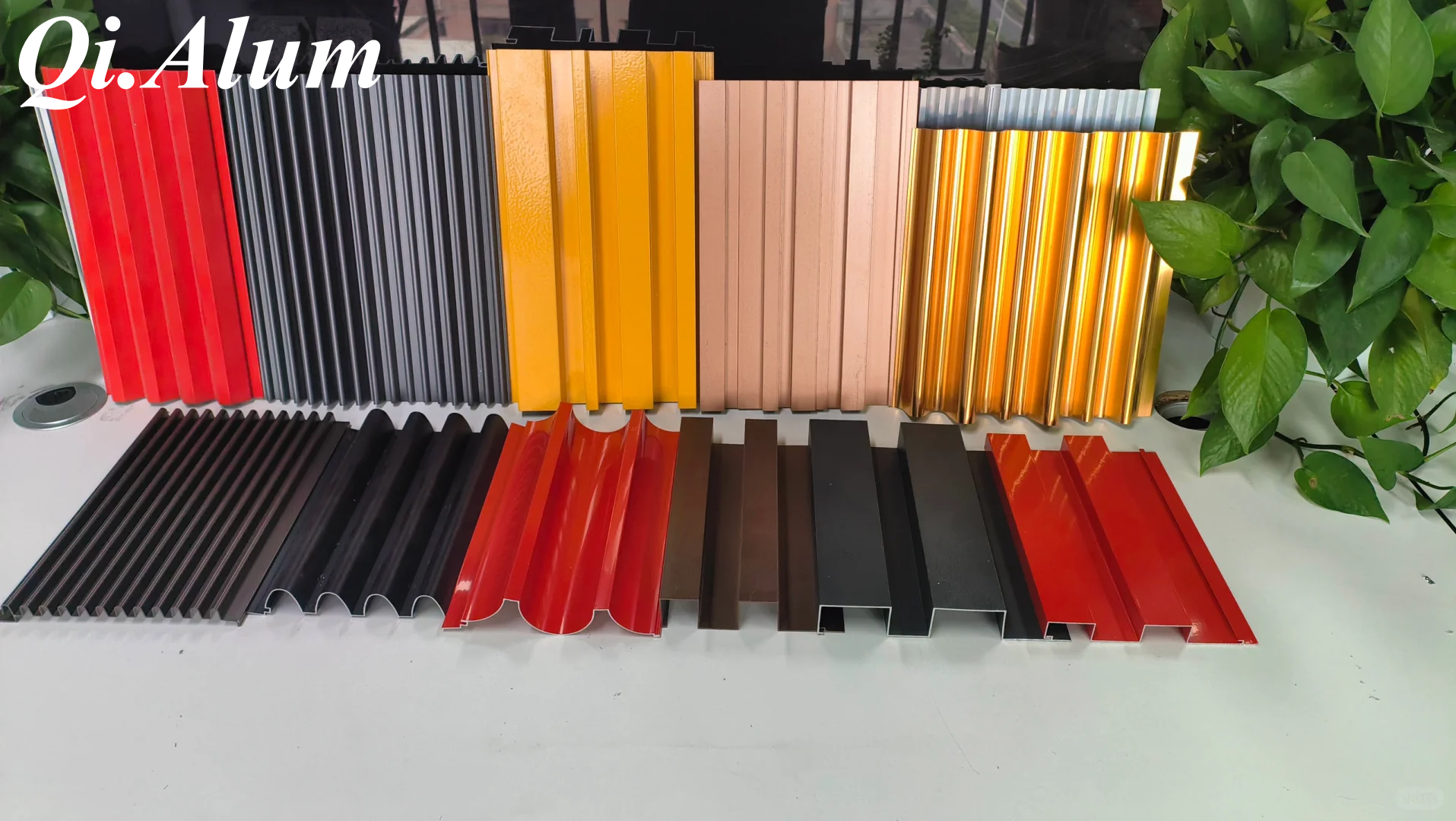
Aluminum panels are commonly finished with powder coating or PVDF coating.
Although the coating is relatively thin compared with the panel and insulation core, the surface finish is still part of the facade system and should be considered when evaluating fire-related documentation.
The important point is not simply whether a particular coating is marketed as “fire safe.” Instead, check whether the finished product has the required test information or classification for the intended application.
This becomes particularly relevant when a project specifies a particular paint system, decorative finish or special surface treatment.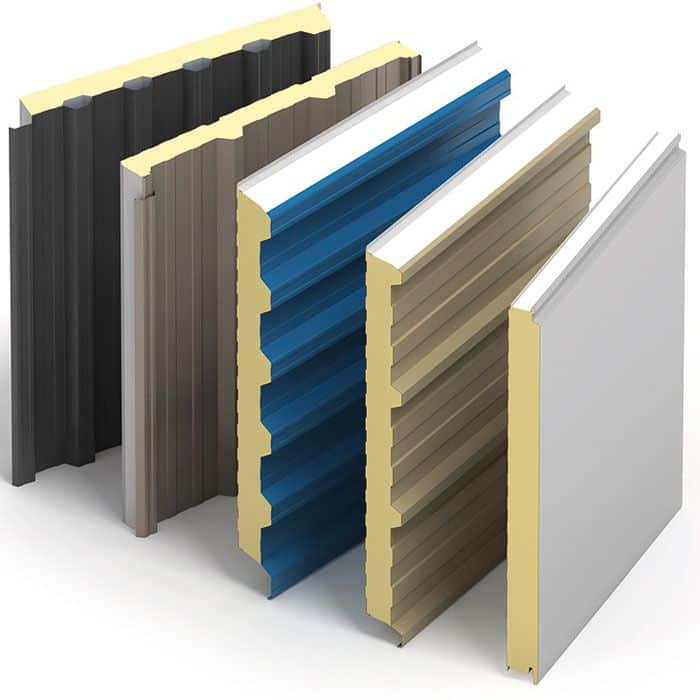
7. Fire Performance Should Match the Local Standard
There is no single fire test that applies to every insulated aluminum facade around the world.
A project in the United States may reference different standards from a project in Canada, Australia, Europe or another market.
Depending on the location and building type, specifications may involve requirements relating to:
- Flame spread
- Smoke development
- Reaction to fire
- Fire resistance
- Vertical or lateral fire propagation
- Exterior wall assembly performance
For this reason, simply providing a generic “fire rating” may not be enough.
The supplier should understand which standard and classification the project actually requires before selecting the panel construction.
8. Test Reports Should Match the Proposed Construction
One of the most overlooked points is the relationship between a test report and the actual product being supplied.
A test performed on one panel configuration does not automatically prove that every variation will perform identically.
Changes may include:
- Core material
- Core thickness
- Aluminum thickness
- Adhesive
- Joint configuration
- Panel size
- Fixing method
- Subframe
- Insulation behind the panel
- Cavity depth
If a project has strict fire requirements, the specification team should check that the available test documentation corresponds closely enough to the proposed construction.
This can prevent a common problem: discovering during technical approval that the available test report covers a different panel assembly.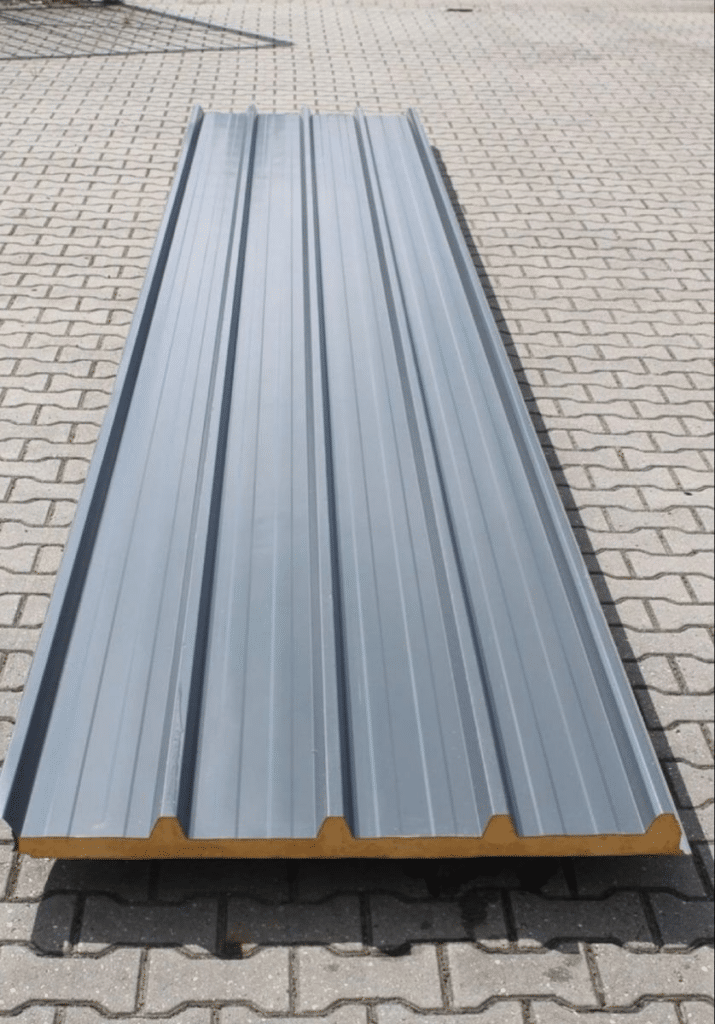
9. Openings Can Change the Fire Strategy
Windows and doors create interruptions in the facade system.
The junction between an insulated aluminum wall panel and a window frame may require different detailing from a typical panel-to-panel joint.
Particular attention may be needed around:
- Window heads
- Window sills
- Jambs
- Door openings
- Spandrel zones
- Curtain wall interfaces
These areas should be coordinated with the fire-stopping strategy and not left until the installation stage.
10. Panel Thickness Alone Does Not Determine Fire Performance
A thicker aluminum panel is not automatically a better-performing panel in a fire.
Increasing the aluminum skin thickness may improve mechanical properties, impact resistance or panel rigidity, but fire performance depends on much more than the thickness of the outer metal skin.
The core, adhesives, cavity, supporting construction, joints and fire barriers can all have a greater influence on the behavior of the facade system.
Therefore, fire requirements should be addressed through the complete construction specification, rather than simply increasing aluminum thickness.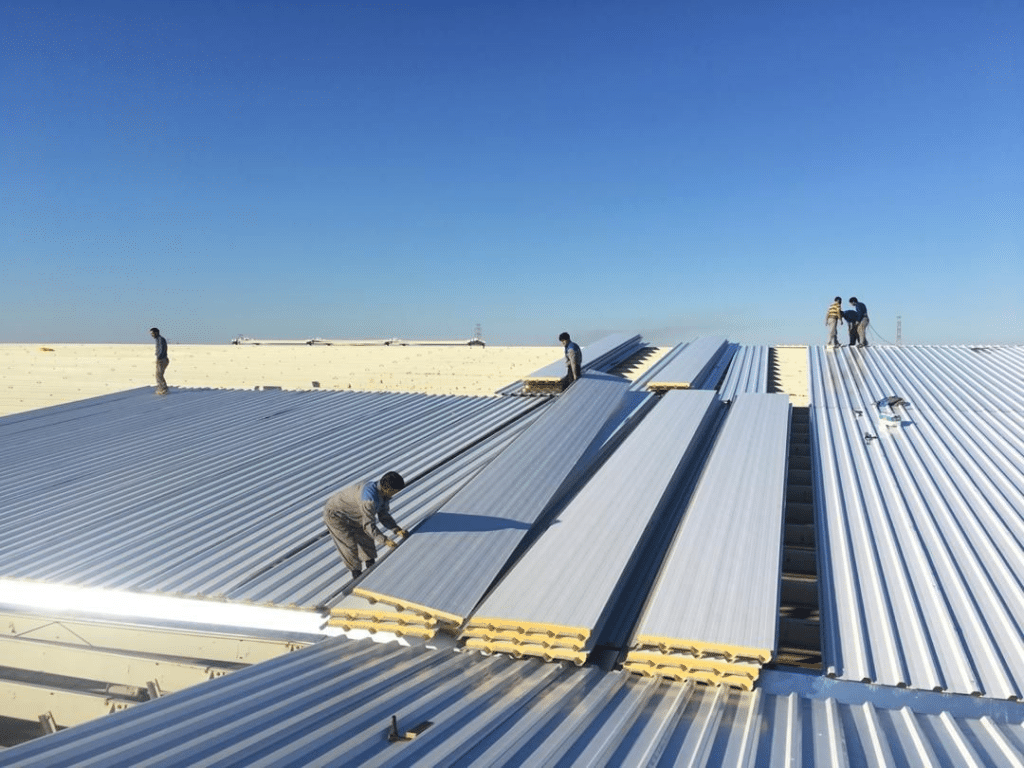
11. What Should Architects and Contractors Request?
Before approving an insulated aluminum wall panel for a project with specific fire requirements, it is useful to request a clear technical package.
Depending on the project, this may include:
- Panel construction and section drawings
- Insulation core type and density
- Core thickness
- Aluminum alloy and thickness
- Coating information
- Fire classification or test documentation
- Relevant test standards
- Panel joint details
- Fixing and subframe details
- Cavity barrier or fire-stop details where applicable
- Details around windows and other openings
- Information about any limitations of the test configuration
This documentation allows the design team to compare the proposed panel with the actual facade construction instead of relying on a single statement such as “fire-resistant panel.”
12. Fire Performance Starts With the Whole Facade
For insulated aluminum wall panels, fire performance is a system issue.
The aluminum face is only one layer of the construction. The insulation core, adhesive, joints, cavity, membranes, support system and surrounding wall construction all need to be considered.
A practical specification therefore starts with the project’s required fire standard and works backward toward the panel construction.
That approach also makes communication between the architect, contractor, facade engineer, fire consultant and manufacturer much easier.
For projects requiring insulated aluminum wall panels, Foshan Qi Aluminum Decorative Materials Co.,Ltd can provide panel construction information, drawings and material details for technical review, allowing the proposed facade build-up to be discussed before production.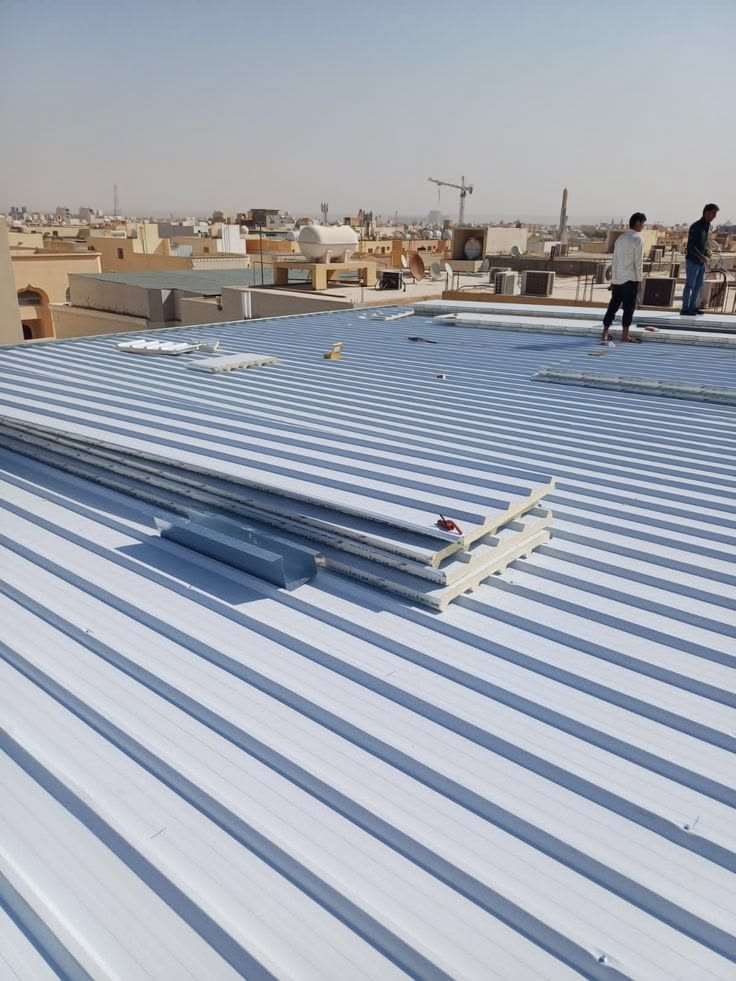

About us:
Foshan Qi Aluminum Decorative Materials Co.,Ltd, more than 12 years experience. We are manufacturer of fabricating aluminum perforated sheets, aluminum solid panels, aluminum screen,aluminum facade decorative sheets, aluminum expanded mesh, aluminum ceiling with good quality and fast delivery for more than 10 years to export countries. Our monthly supplying is about 80000 sqms for inside and outside market. Our projects covers five star hotel, high end villas, school, campus, metro station, airport, office building, shopping mall and some other goverment projects. We can provide design, fabrication and installation one stop service for your projects. High precision, quality guarantee, affordable price, globla delivery and considerate service is our basis. We accept OEM/ODM business. We are the experienced specialist on facade solution decoration!!!