Description
Perforated Aluminum Panel Facade Installation Guide: 5 Key Ways to Reduce Waste and Construction Time
Introduction
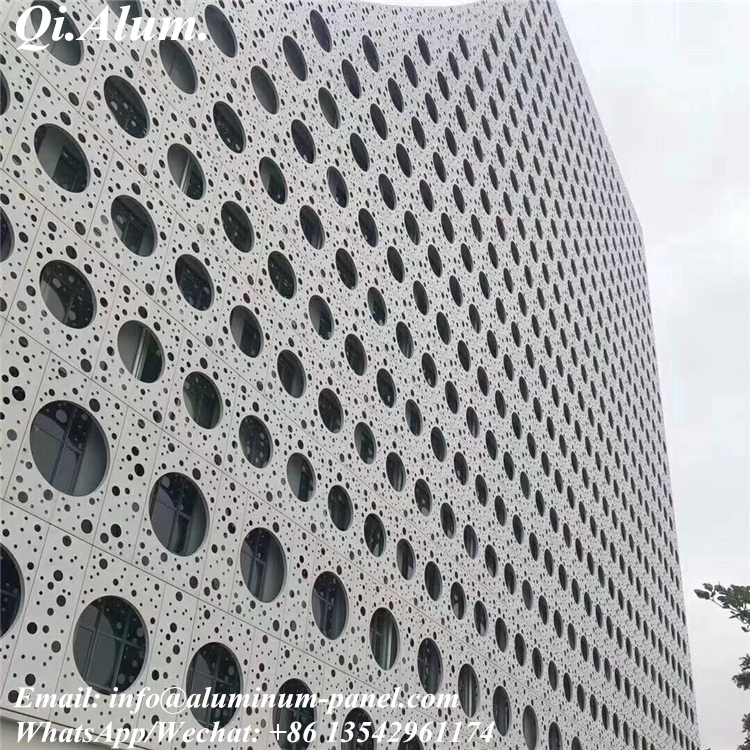
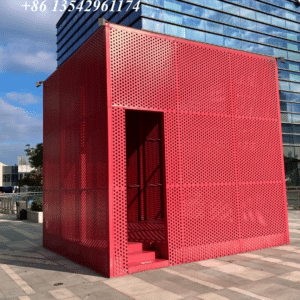
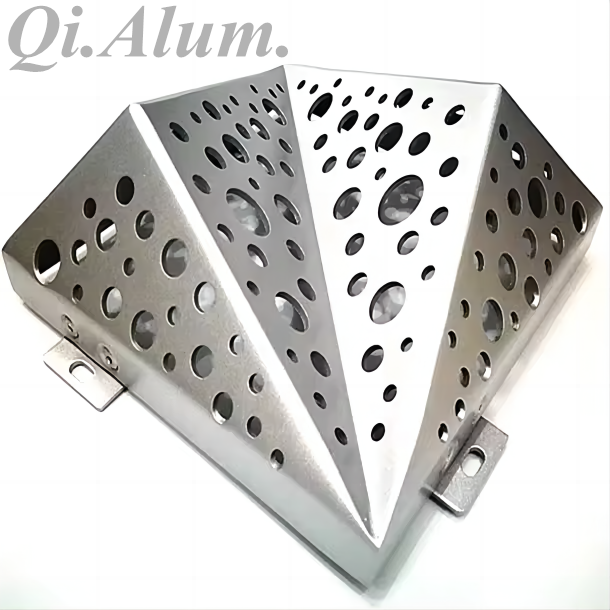
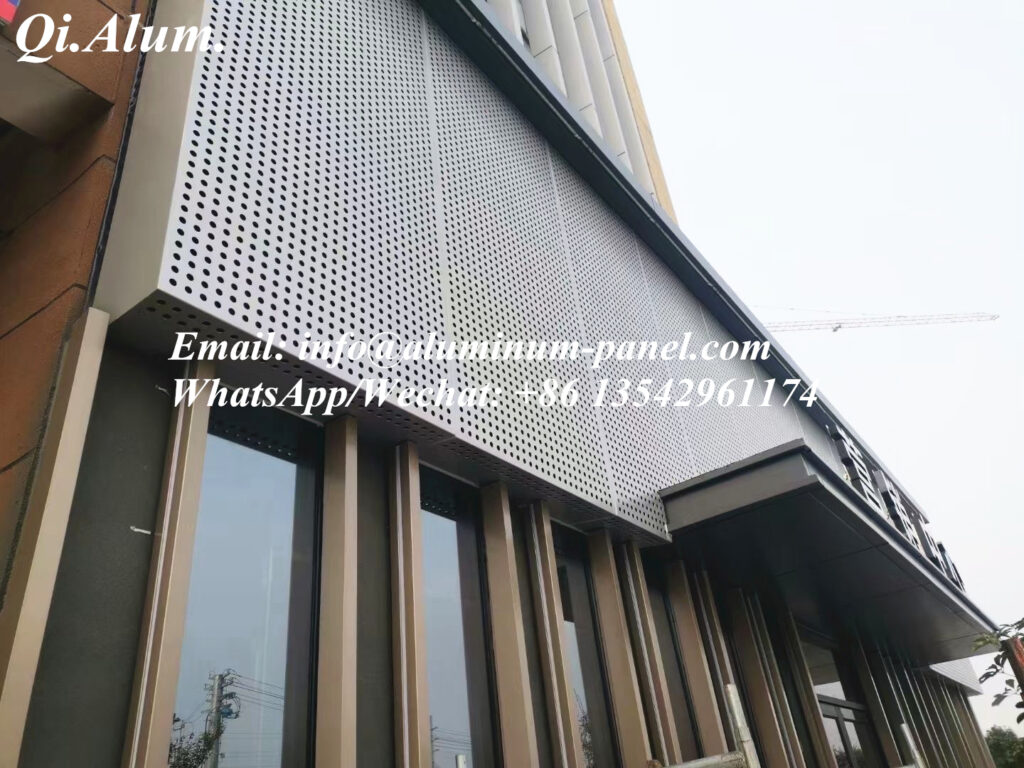
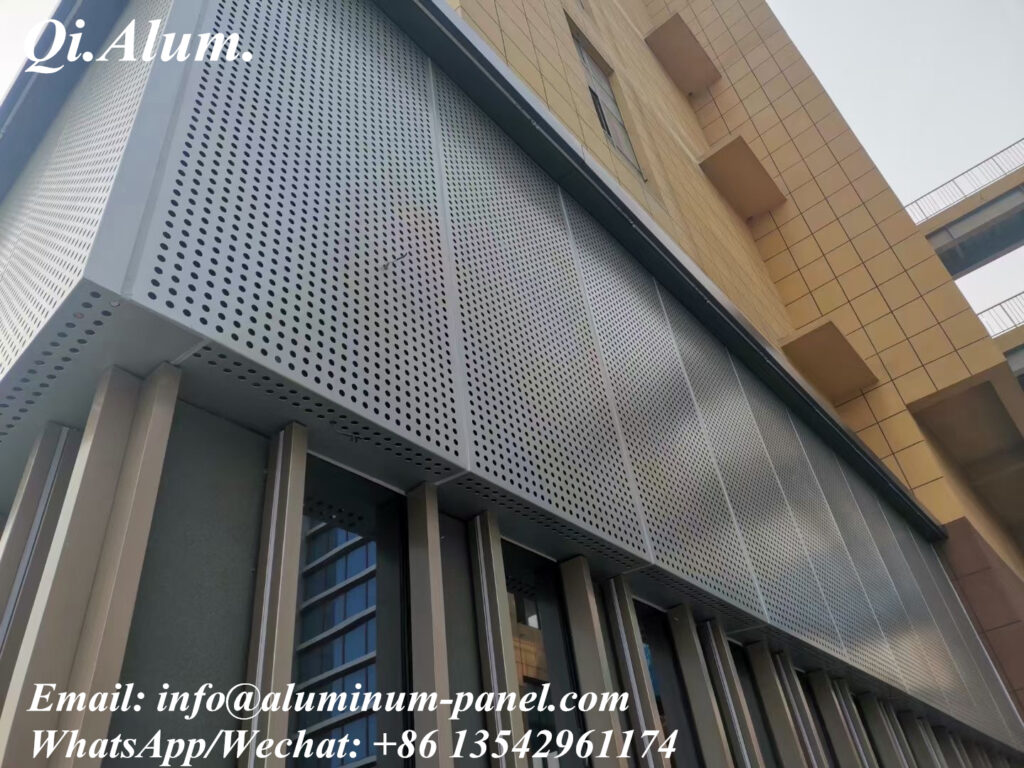
Perforated aluminum panel facades are widely used in modern commercial buildings, residential projects, parking structures, and architectural decoration due to their lightweight structure, excellent durability, ventilation performance, and unique visual effects.
However, during the installation process, improper planning can lead to material waste, installation delays, and increased project costs. From panel design and fabrication to transportation and on-site installation, every step affects the final efficiency.
This guide explains 5 key methods to reduce material waste and shorten installation time when installing perforated aluminum panel facades, helping architects, contractors, and project owners achieve better project results.
1. Complete Accurate Design and Panel Layout Planning Before Production
The first step to reducing waste is accurate planning before manufacturing.
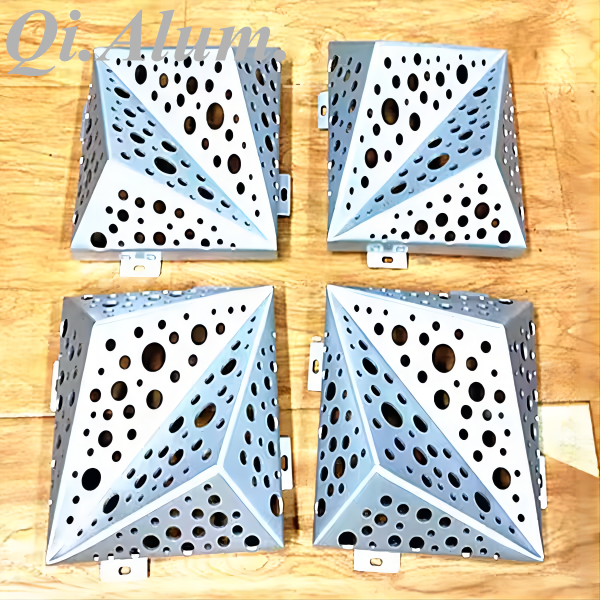
Unlike standard solid aluminum panels, perforated aluminum panels often involve customized patterns, hole sizes, panel dimensions, and fixing systems. Any incorrect measurement during the design stage may cause additional cutting, remanufacturing, or material loss.
Before production, it is important to confirm:
- Building facade dimensions
- Panel module sizes
- Joint spacing requirements
- Hole patterns and open area ratio
- Installation direction and fixing method
- Color and surface finishing requirements
Using detailed CAD drawings or 3D models allows manufacturers and contractors to optimize panel layouts and minimize unnecessary offcuts.
A professional perforated aluminum panel manufacturer can provide fabrication drawings and technical suggestions to improve installation efficiency.
2. Choose the Right Aluminum Panel Thickness and Material Grade
Selecting the correct aluminum thickness is essential for both performance and cost control.
If the aluminum panel is too thin, it may cause deformation during transportation or installation. If it is unnecessarily thick, it increases material costs and installation load.
Common thickness options for perforated aluminum facade panels include:
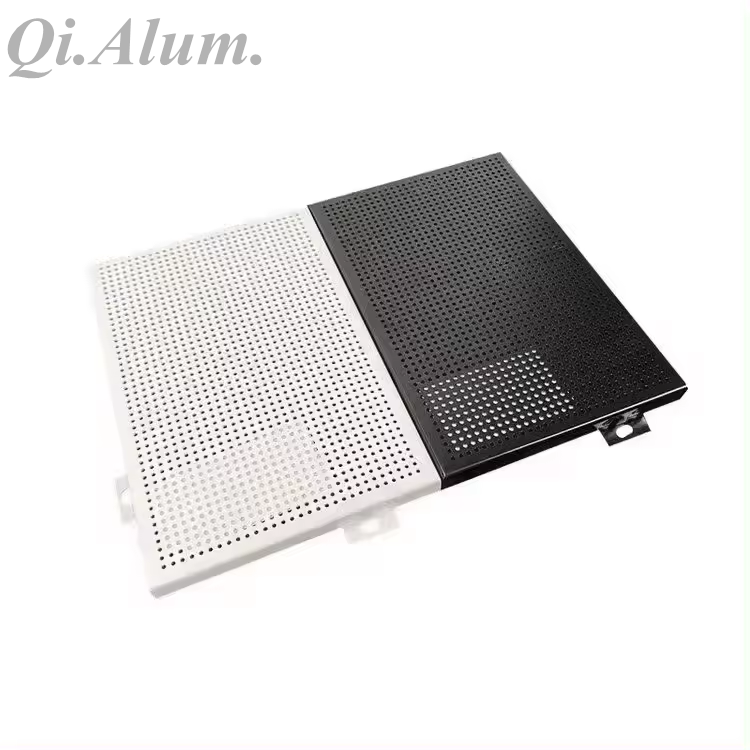
- 2.0mm aluminum panels for interior decoration and lightweight applications
- 2.5mm–3.0mm aluminum panels for most exterior facade projects
- 4.0mm–5.0mm aluminum panels for large buildings or high wind-load areas
Common aluminum alloys include:
- 3003 aluminum alloy: excellent corrosion resistance and formability
- 5005 aluminum alloy: good surface finishing performance
- 5052 aluminum alloy: suitable for stronger structural applications
Choosing the correct specification helps reduce unnecessary material usage while ensuring facade safety and durability.
3. Use Factory Prefabrication to Improve Installation Efficiency
Factory prefabrication is one of the most effective ways to shorten construction time.
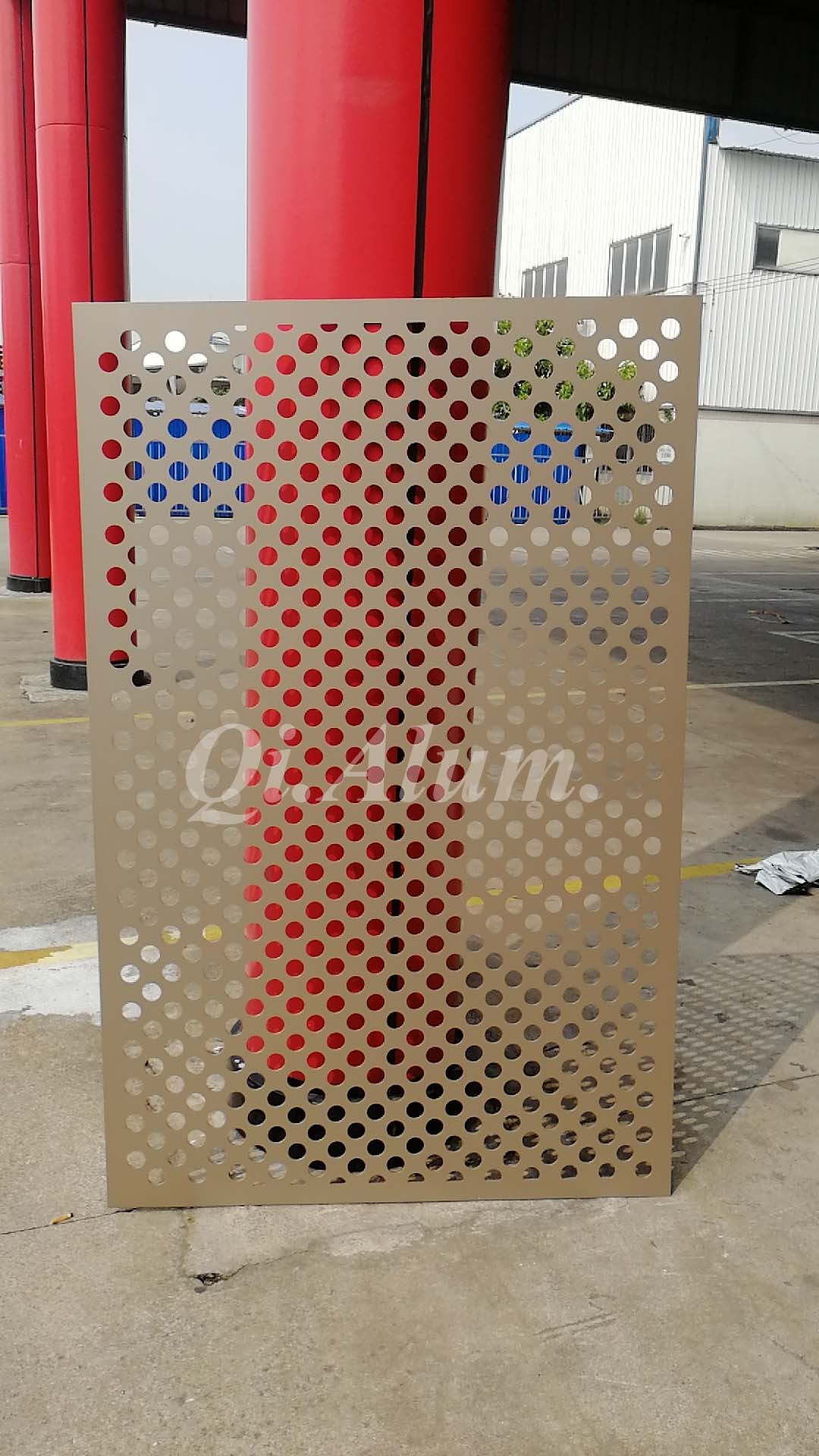
Compared with cutting and drilling panels on-site, factory-produced perforated aluminum panels are manufactured according to approved drawings with precise CNC punching, cutting, bending, and surface treatment.
Advantages of prefabrication include:
- Faster installation on site
- Less construction waste
- Better dimensional accuracy
- Reduced labor requirements
- Improved appearance consistency
Professional factories can complete processes such as:
- CNC punching
- Laser cutting
- Panel bending
- Welding reinforcement
- Powder coating
- PVDF fluorocarbon coating
This allows installers to simply position and fix the panels according to the installation drawings.
4. Select a Suitable Fixing System for Faster Installation
The fixing system directly affects installation speed and facade quality.
Common installation methods for perforated aluminum panels include:
Aluminum Profile System
This system provides strong support and accurate alignment, making it suitable for large-scale facade projects.
Clip Installation System
Clip systems allow faster installation and easier panel replacement, especially for decorative facade applications.
Back Frame System
A reinforced aluminum frame is attached behind each panel, improving stability and allowing precise adjustment during installation.
When selecting a fixing method, consider:
- Building height
- Wind pressure requirements
- Panel size and weight
- Maintenance requirements
- Local construction conditions
A properly designed fixing system can significantly reduce installation time and avoid repeated adjustments.
5. Optimize Transportation, Storage, and On-Site Management
Even with accurate manufacturing, poor handling can increase waste.
During transportation and installation, perforated aluminum panels should be protected from:
- Scratches
- Surface damage
- Panel deformation
- Moisture contamination
Recommended practices include:
- Use protective film during transportation
- Package panels with strong wooden crates
- Store panels in a dry and flat area
- Organize panels according to installation sequence
- Avoid unnecessary movement between different areas
Good site management helps prevent damaged panels and reduces replacement costs.
Additional Tips for a Successful Perforated Aluminum Facade Project
To achieve a high-quality facade installation, cooperation between designers, manufacturers, and contractors is essential.
Before starting the project, confirm:
✔ Complete shop drawings
✔ Material specifications
✔ Surface coating requirements
✔ Installation method
✔ Project schedule
✔ Quality inspection standards
For exterior applications, selecting durable finishes such as PVDF coating or high-performance powder coating can improve weather resistance and extend facade service life.
Why Choose Custom Perforated Aluminum Panels?
Custom perforated aluminum panels provide architects with greater design flexibility while offering practical benefits:
- Lightweight compared with steel materials
- Excellent corrosion resistance
- Modern architectural appearance
- Improved ventilation and sun shading
- Custom hole patterns and designs
- Easy maintenance
- Long service life
They are widely applied in:
- Commercial building facades
- Shopping malls
- Airports
- Parking garages
- Residential buildings
- Interior decorative walls
- Sunshade systems
Conclusion
A successful perforated aluminum panel facade project depends on careful planning, accurate fabrication, and efficient installation methods.
By optimizing panel design, selecting suitable materials, using factory prefabrication, choosing the right fixing system, and improving site management, contractors can significantly reduce material waste and construction time.
Working with an experienced perforated aluminum panel supplier ensures better quality control, faster delivery, and reliable technical support for architectural facade projects.

About us:
Foshan Qi Aluminum Decorative Materials Co.,Ltd, more than 12 years experience. We are manufacturer of fabricating aluminum perforated sheets, aluminum solid panels, aluminum screen,aluminum facade decorative sheets, aluminum expanded mesh, aluminum ceiling with good quality and fast delivery for more than 10 years to export countries. Our monthly supplying is about 80000 sqms for inside and outside market. Our projects covers five star hotel, high end villas, school, campus, metro station, airport, office building, shopping mall and some other goverment projects. We can provide design, fabrication and installation one stop service for your projects. High precision, quality guarantee, affordable price, globla delivery and considerate service is our basis. We accept OEM/ODM business. We are the experienced specialist on facade solution decoration!!!