Description
Perforated Aluminum Panels Uses Applications and Benefits
Perforated aluminum panels are widely used in modern architecture because they combine functionality, durability, ventilation, and decorative appeal. By creating precisely arranged holes in aluminum sheets, these panels can provide practical solutions for building facades, sun shading, privacy screens, ceilings, and interior decoration.
The size, shape, pattern, and open area of the perforations can be customized according to different architectural requirements. This makes perforated aluminum panels suitable for both commercial and residential projects.
What Are Perforated Aluminum Panels Used For?
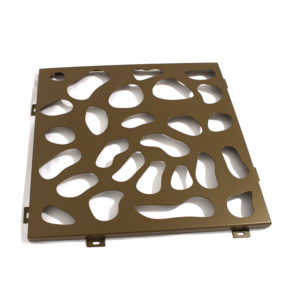
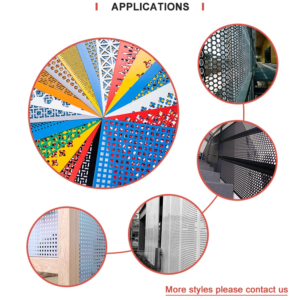
Perforated aluminum panels have many applications in architectural design. Some of the most common uses include exterior facades, sun protection, privacy screens, balconies, ceilings, and decorative walls.
1. Building Facades
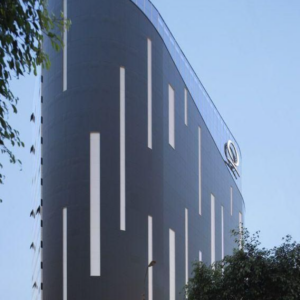
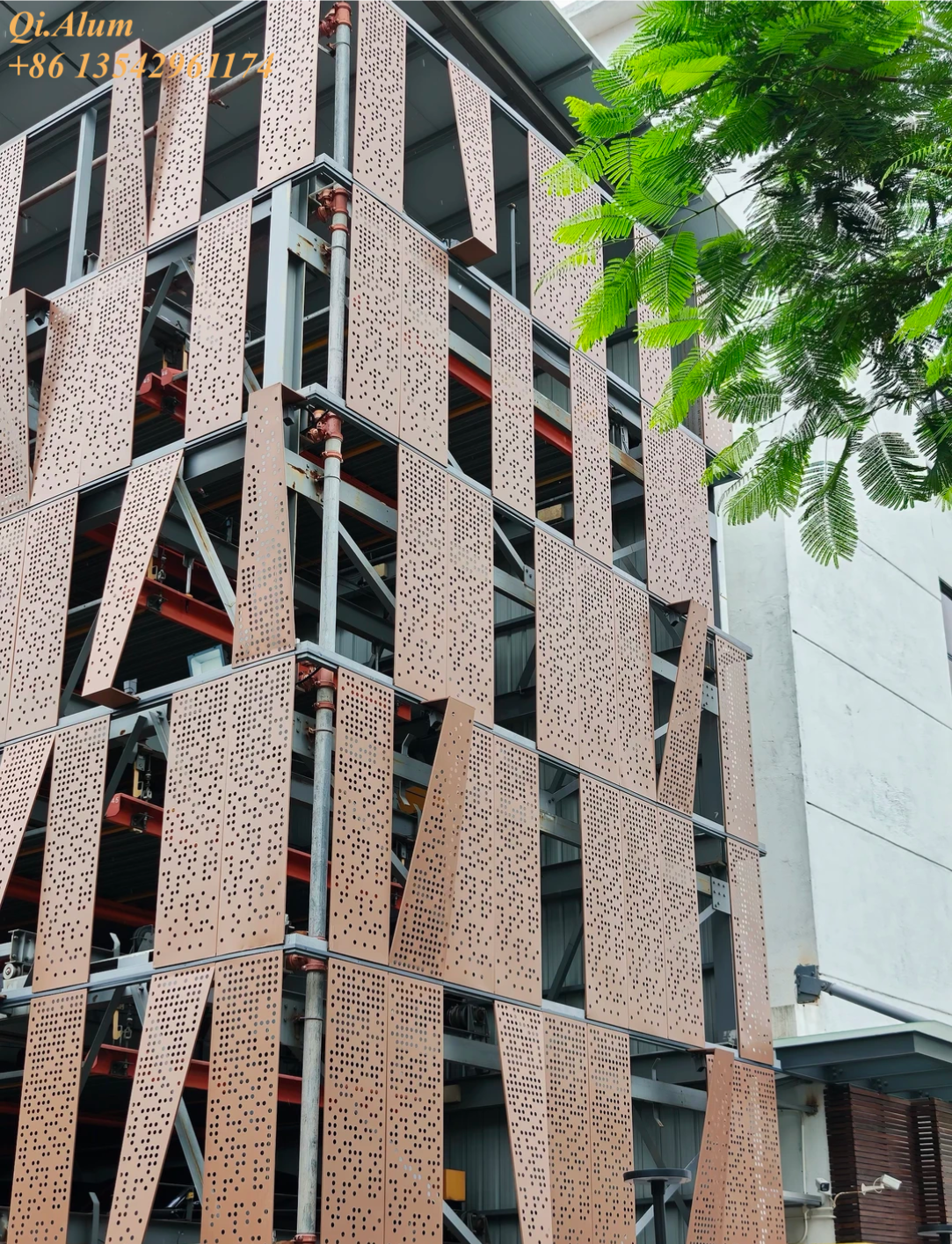
One of the most common applications is architectural facade cladding. Perforated aluminum panels can create a distinctive exterior appearance while adding functional performance to the building envelope.
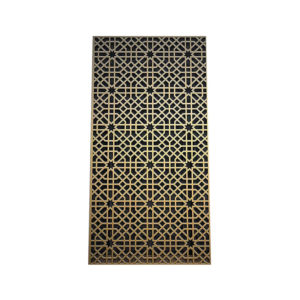
Different perforation patterns can be used to create geometric, linear, or custom decorative designs. Aluminum is also resistant to corrosion and suitable for long-term outdoor applications when the appropriate surface finish is selected.
Perforated facade panels are commonly used for commercial buildings, office buildings, shopping centers, hotels, airports, and residential developments.
2. Sun Shading and Solar Control
Perforated aluminum panels can be used as external sun screens to reduce direct sunlight entering a building.
The perforation rate, hole size, panel position, and installation angle can all affect the amount of sunlight passing through the panel. Properly designed screens can help control glare while maintaining natural daylight and outdoor visibility.
This makes perforated aluminum panels a practical choice for facades exposed to strong sunlight.
3. Privacy Screens
Perforated aluminum panels are also widely used as privacy screens for balconies, terraces, entrances, and outdoor areas.
The perforated pattern can limit direct visibility while allowing air and natural light to pass through. Compared with completely solid panels, perforated screens can provide a more open and visually lightweight appearance.
4. Balcony and Railing Infill
Perforated aluminum sheets can be used as decorative infill for balconies and railing systems.
They can provide a combination of privacy, ventilation, and architectural decoration. Custom patterns can also be designed to match the overall style of a building.
For balcony applications, the panel thickness, fixing method, structural design, and applicable local building requirements should be considered during the design stage.
5. Ceiling Applications
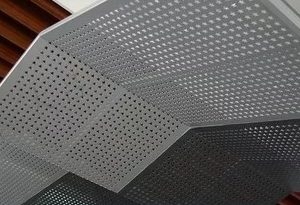
Perforated aluminum panels can also be used for interior and exterior ceilings.
In commercial spaces, perforated metal ceilings can create a modern appearance while allowing ventilation and providing space for lighting, air-conditioning, and other building services.
They are commonly used in shopping malls, offices, airports, restaurants, transportation facilities, and other public buildings.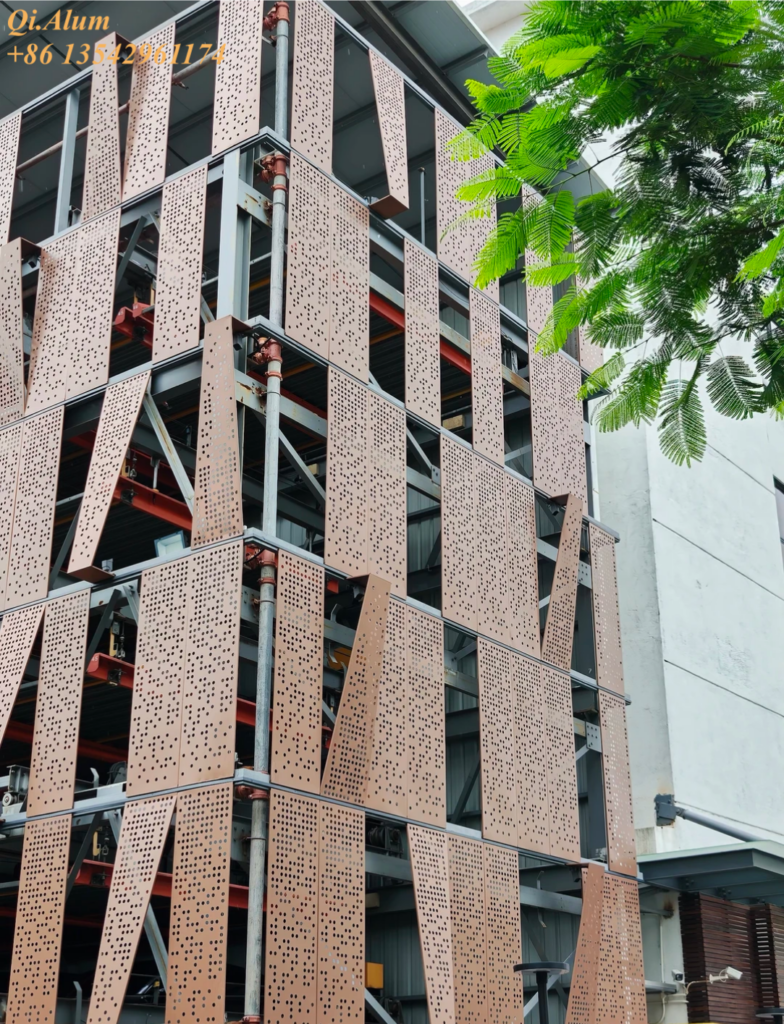
6. Decorative Wall Panels
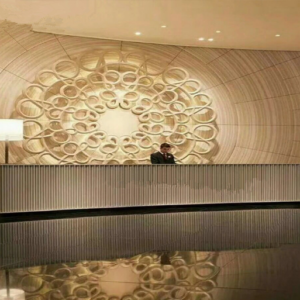
For interior design, perforated aluminum panels can be used as decorative wall cladding.
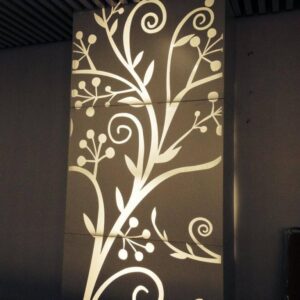
Custom perforation patterns allow designers to create unique visual effects. The panels can also be combined with backlighting to create decorative feature walls, reception areas, partitions, and branded architectural elements.
7. Ventilation Screens and Equipment Enclosures
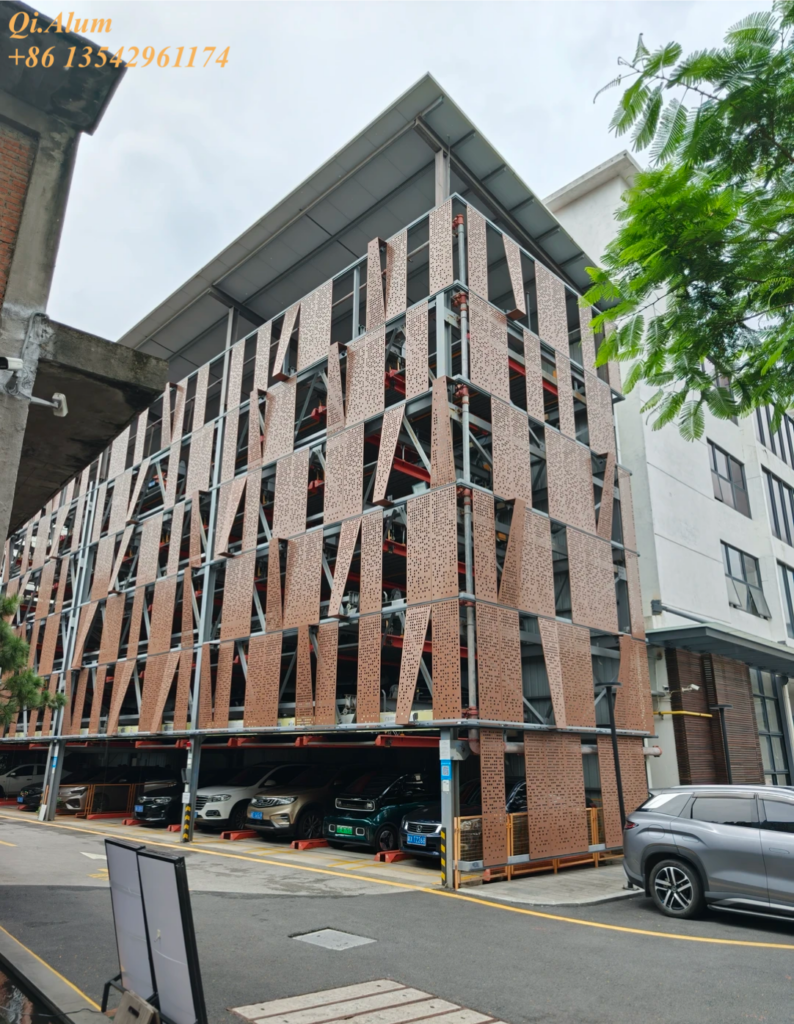
Perforated aluminum panels can be used to conceal mechanical equipment while maintaining airflow.
For example, they can be installed around air-conditioning equipment, ventilation systems, parking structures, and service areas. The open perforated design allows air to circulate while improving the overall appearance of the installation.
What Are the Benefits of Perforated Aluminum Panels?
The popularity of perforated aluminum panels comes from their combination of aesthetic and functional properties.
Lightweight: Aluminum is relatively lightweight compared with many other metal materials, which can simplify handling and installation.
Corrosion resistance: Aluminum naturally forms a protective oxide layer and can be further protected with powder coating, PVDF coating, or anodizing.
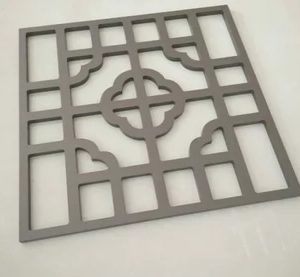
Customizable designs: Hole diameter, perforation pattern, spacing, panel dimensions, and open area can be customized for different projects.
Ventilation: The open structure allows air to pass through the panel, making perforated panels suitable for ventilation screens and facade applications.
Sun control: Properly designed perforated screens can reduce direct solar exposure while maintaining daylight and visibility.
Modern appearance: A wide range of patterns and surface finishes makes perforated aluminum suitable for contemporary architectural designs.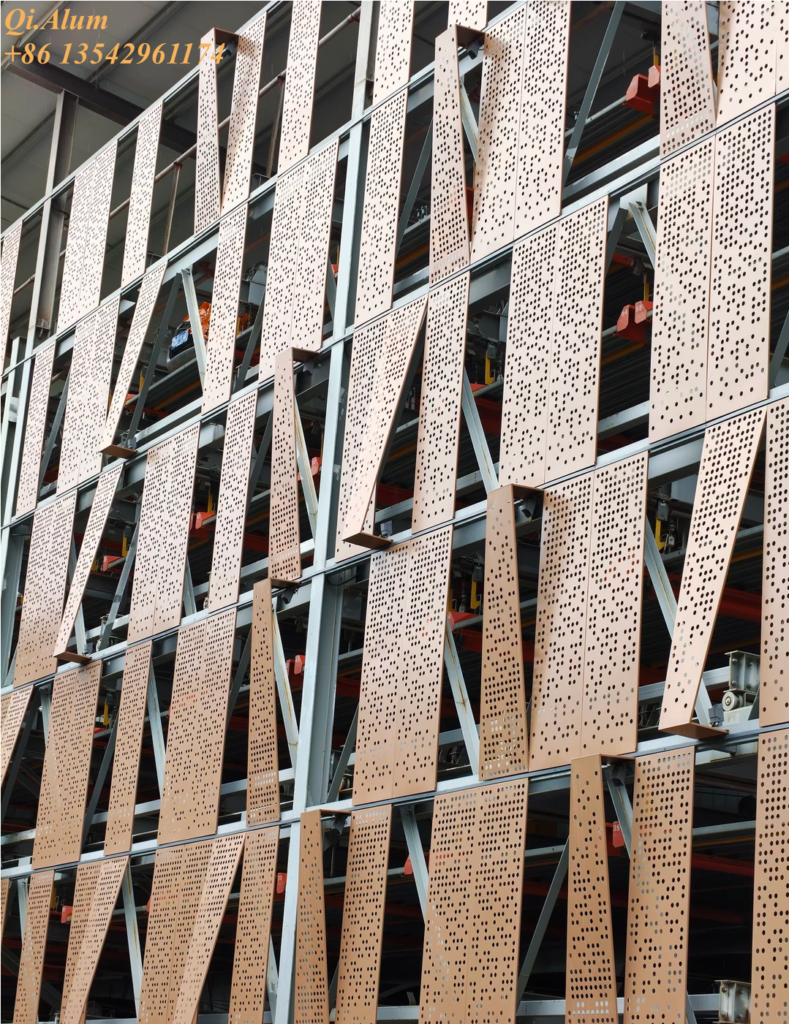
How to Choose Perforated Aluminum Panels
The right panel should be selected according to the project’s location, application, structural requirements, and appearance.
Important factors include:
- Aluminum alloy
- Panel thickness
- Panel dimensions
- Hole diameter and shape
- Perforation pattern
- Open area percentage
- Surface treatment
- Installation and fixing system
- Wind load and structural requirements
- Indoor or outdoor application
For exterior facade applications, thicker aluminum panels and durable finishes such as PVDF or architectural-grade powder coating may be considered depending on the project requirements.
Custom Perforated Aluminum Panels for Architectural Projects
For architectural projects, perforated aluminum panels can be manufactured according to design drawings and project specifications. Custom solutions may include different aluminum alloys, thicknesses, perforation patterns, panel sizes, colors, and surface finishes.
At Qi.Alum, we manufacture and export customized aluminum perforated panels for architectural applications. Our products can be used for building facades, sun shading, privacy screens, ceilings, decorative walls, balconies, and equipment enclosures.
Before mass production, project drawings, material specifications, perforation patterns, colors, and surface finishes can be confirmed with the customer to help ensure that the finished panels meet the project requirements.
Conclusion
Perforated aluminum panels are versatile architectural materials that can be used for much more than decorative purposes. They can provide sun control, privacy, ventilation, airflow, and visual enhancement while offering the durability required for many interior and exterior applications.
With customized perforation patterns, dimensions, thicknesses, and surface finishes, perforated aluminum panels can be adapted to a wide range of architectural projects.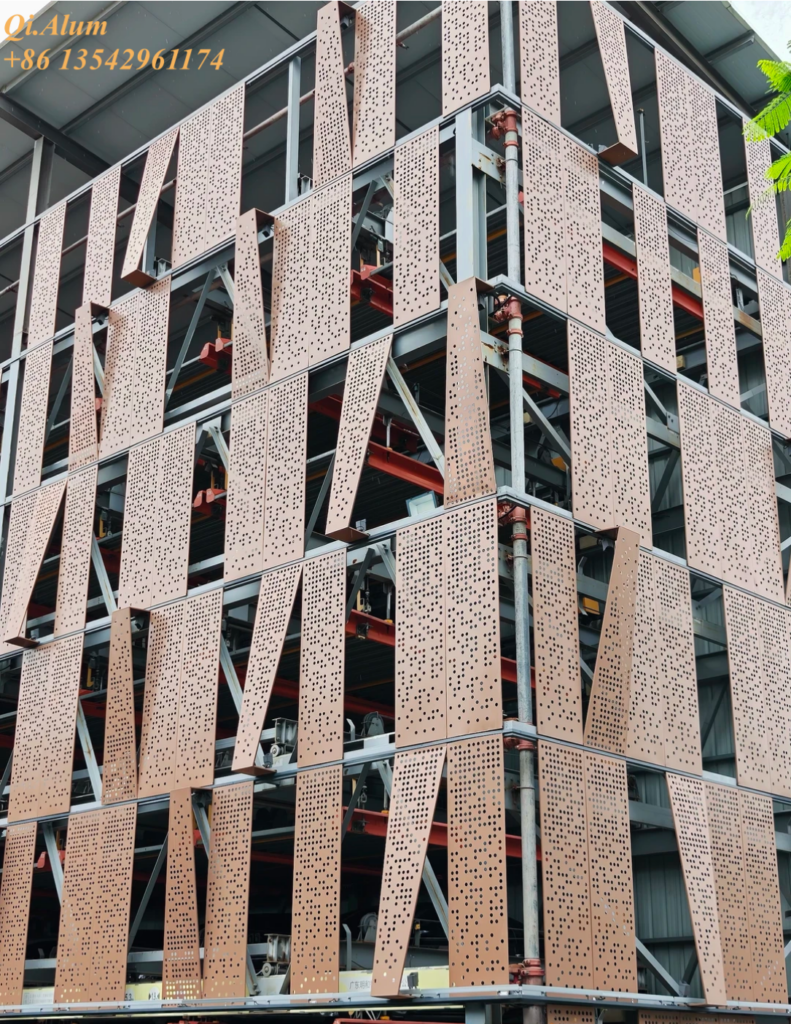
About us:
Foshan Qi Aluminum Decorative Materials Co.,Ltd, more than 12 years experience. We are manufacturer of fabricating aluminum perforated sheets, aluminum solid panels, aluminum screen,aluminum facade decorative sheets, aluminum expanded mesh, aluminum ceiling with good quality and fast delivery for more than 10 years to export countries. Our monthly supplying is about 80000 sqms for inside and outside market. Our projects covers five star hotel, high end villas, school, campus, metro station, airport, office building, shopping mall and some other goverment projects. We can provide design, fabrication and installation one stop service for your projects. High precision, quality guarantee, affordable price, globla delivery and considerate service is our basis. We accept OEM/ODM business. We are the experienced specialist on facade solution decoration!!!