Description
What Mesh Size Is Best for Aluminum Gutter Guards to Prevent Clogging?
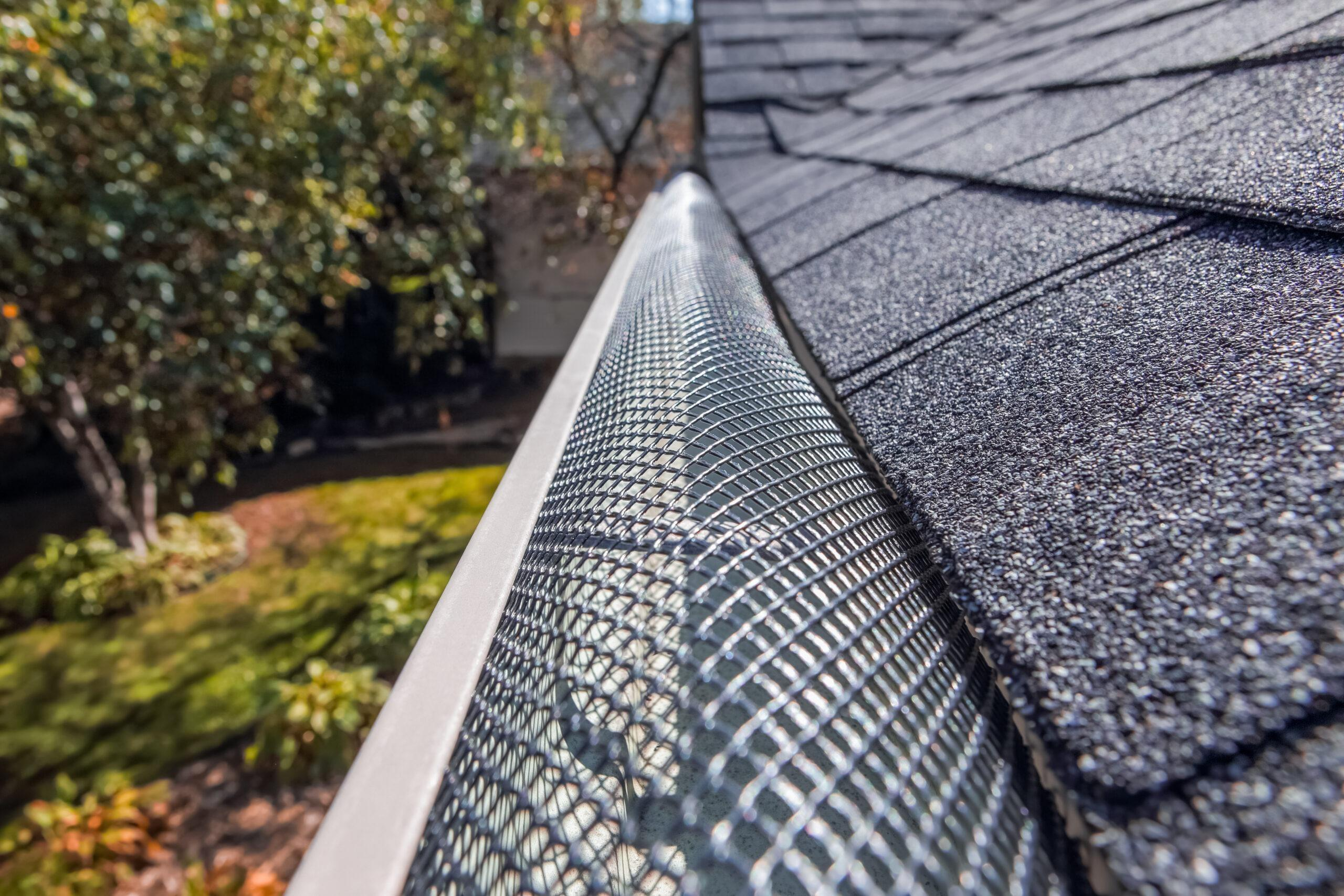
A gutter mesh with smaller openings should stop more debris. But does that mean it will keep your rain gutters cleaner?
Not necessarily.
When choosing aluminum mesh for rain gutter protection, the biggest mistake is focusing only on how small the openings are. A fine mesh may block leaves and pine needles, but it can also collect dirt, pollen, and organic debris on its surface. During heavy rainfall, this buildup may reduce water entry and cause runoff to overflow the gutter.
So, what aluminum gutter mesh opening size offers the best balance between debris protection and water drainage?
The answer depends on the surrounding trees, rainfall intensity, mesh structure, and gutter design.
1. What Is the Recommended Mesh Size for Aluminum Gutter Guards?
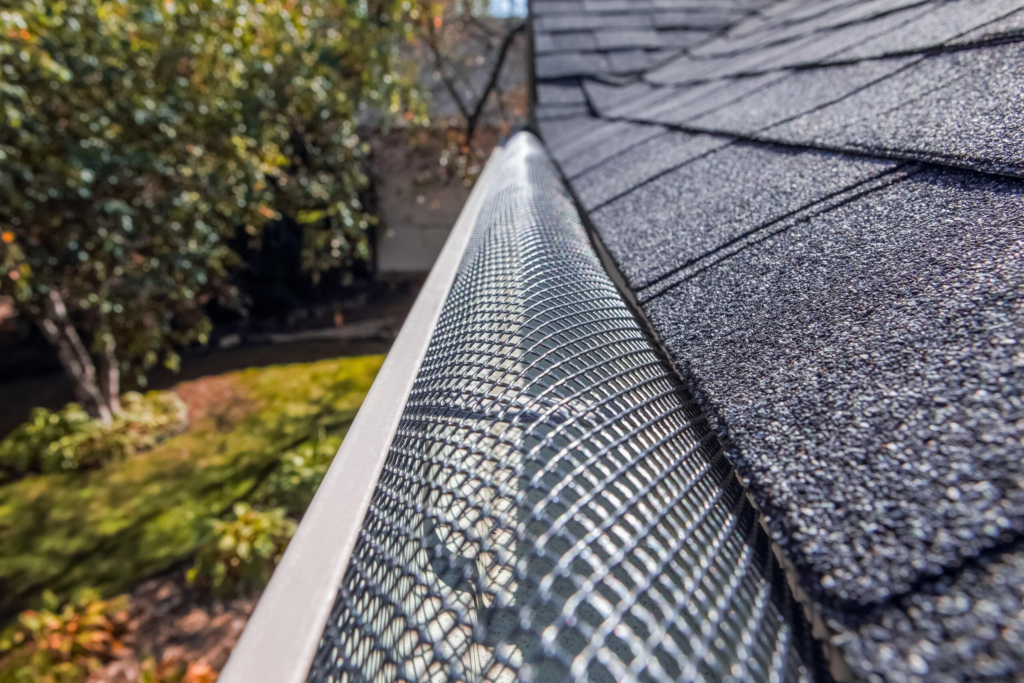
For many residential and commercial gutter protection projects, openings between 2 mm and 6 mm can be considered as a starting range. However, there is no single mesh size that guarantees clog-free performance.
Different opening sizes behave differently:
| Mesh Opening Size | Typical Application | Potential Issue |
|---|---|---|
| 0.5–1 mm | Fine debris and pine needle protection | Surface clogging from pollen and dirt |
| 1–2 mm | Areas with small leaves and fine debris | Requires periodic surface cleaning |
| 2–4 mm | General residential gutter protection | Some narrow debris may pass through |
| 4–6 mm | Larger leaves and moderate debris exposure | Small leaves and seeds can enter |
| 6–10 mm | Coarse leaf screening | Less effective against fine debris |
For general-purpose aluminum gutter mesh, 2–4 mm openings are worth evaluating first. They offer a practical compromise for some environments, but the final selection should be confirmed against local debris and rainfall conditions.
In areas surrounded by pine trees, a finer screen may be necessary. Where large leaves are the primary concern, larger openings may reduce surface debris accumulation.
2. Why Can Smaller Gutter Mesh Openings Cause More Blockages?
Imagine installing an extremely fine aluminum mesh over a roof gutter.
During the first few weeks, everything works well. Leaves remain outside the gutter, and rainwater passes through the mesh.
But after several months, dust, pollen, and small organic particles begin collecting on the screen.
When wet, these materials can form a thin layer across the openings.
Instead of flowing directly into the gutter, rainwater may travel across the debris-covered surface and spill over the edge.
This is why the smallest gutter guard mesh is not always the most effective choice.
A reliable gutter protection system should consider three factors:
- Debris interception: preventing leaves and other materials from entering the gutter.
- Water entry: allowing sufficient rainwater to pass through during storms.
- Maintenance: allowing accumulated debris to be removed without excessive effort.
A mesh that performs well in only one of these areas may still create drainage problems.
3. Is Expanded Aluminum Mesh Suitable for Rain Gutter Protection?
Expanded aluminum mesh is an option for gutter protection, particularly where structural stability, corrosion resistance, and custom dimensions are important.
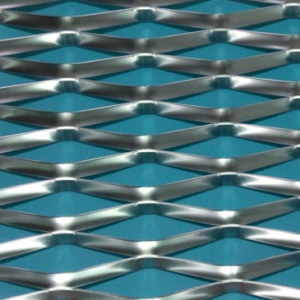
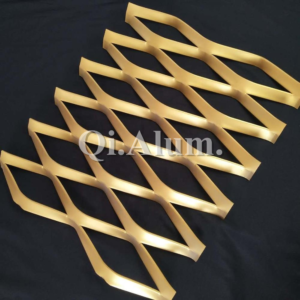
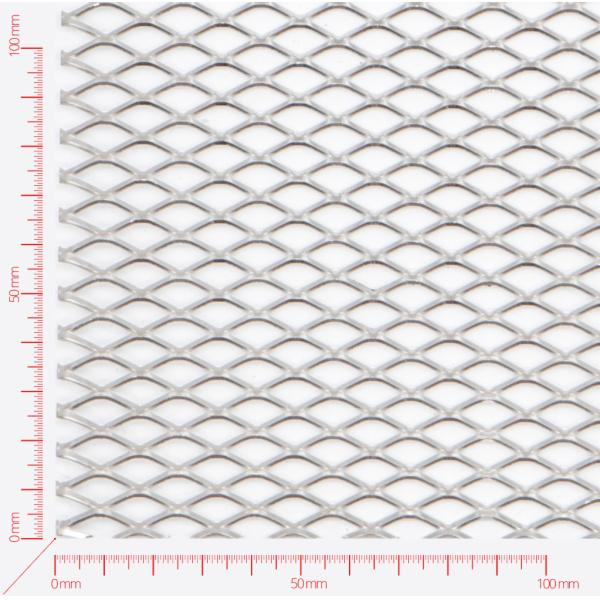
Unlike woven wire mesh, expanded aluminum mesh is manufactured by cutting and stretching aluminum sheets to form interconnected openings.
This process creates a continuous mesh structure without welded wire intersections.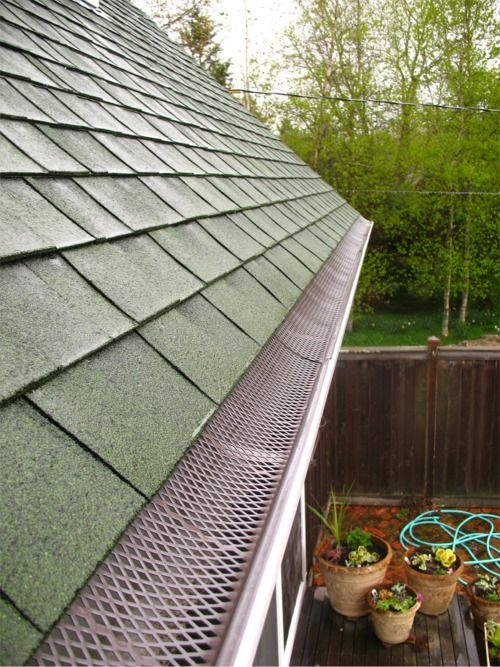
Advantages of Expanded Aluminum Mesh for Gutters
Continuous metal structure
Expanded aluminum mesh has interconnected strands that can provide useful rigidity when properly supported.
Corrosion resistance
Aluminum naturally develops a protective oxide layer. Appropriate alloy selection and surface finishing can improve suitability for outdoor environments.
Customizable openings
Manufacturers can adjust mesh geometry, strand width, sheet thickness, and panel dimensions according to project requirements.
Low weight
Aluminum mesh can provide gutter screening without adding excessive dead load to the supporting structure.
However, expanded aluminum mesh is not automatically the best solution for every gutter.
Its diamond-shaped openings, strand orientation, and raised or flattened profile can influence debris retention and water movement.
For locations with very fine debris, aluminum micro-mesh or another fine-screen system may be more appropriate.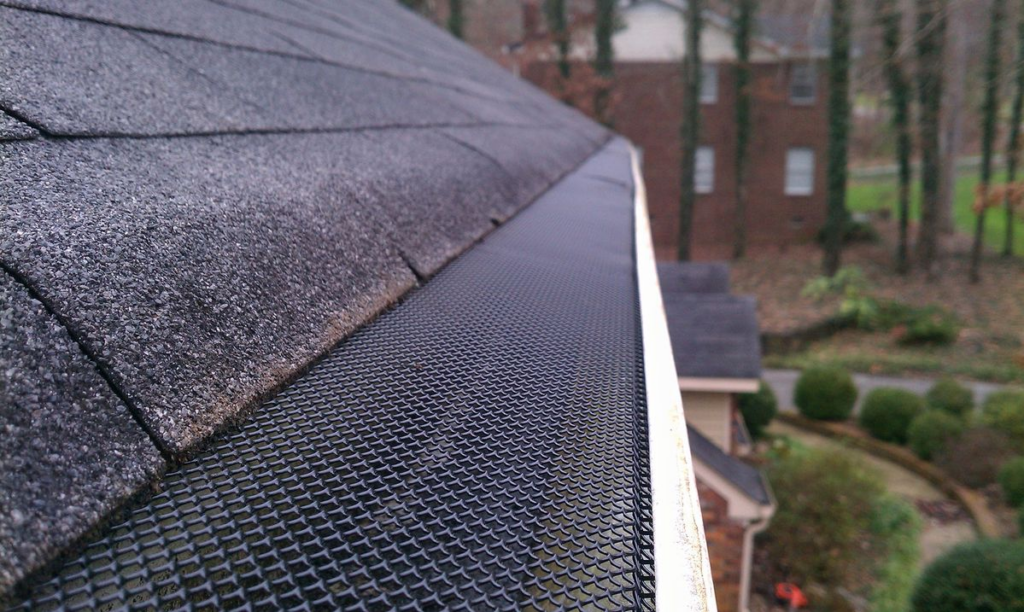
4. How Do Diamond-Shaped Mesh Openings Affect Drainage?
A common misunderstanding is that a diamond opening measuring 5 mm in one direction will block every object larger than 5 mm.
In reality, expanded metal openings are typically described using two dimensions:
- SWD (Short Way of Diamond): the shorter diamond direction.
- LWD (Long Way of Diamond): the longer diamond direction.
For example, an expanded aluminum mesh might have an opening geometry described as 3 × 6 mm.
However, the actual clear opening also depends on the strand dimensions and how the manufacturer defines SWD and LWD.
Long, narrow debris such as pine needles may pass through openings that appear small when viewed from above.
For gutter protection, buyers should request the actual clear aperture dimensions rather than relying only on nominal mesh specifications.
5. Does Mesh Thickness Affect Gutter Clogging?
Mesh thickness is usually discussed in terms of strength, but it can also influence the overall performance of a gutter guard.
A thin aluminum mesh may deform when installed over a wide unsupported gutter.
Once the mesh sags, leaves and debris can accumulate in the depressed area.
This creates a collection point where organic material and water remain longer than intended.
For preliminary product discussions, aluminum expanded mesh thicknesses such as 0.8 mm, 1.0 mm, and 1.5 mm may be evaluated, depending on the opening geometry and supporting frame.
These are not universal design recommendations.
The required thickness should be determined by gutter width, support spacing, expected loads, and installation conditions.
A properly supported thinner mesh may perform better than a thicker mesh installed without adequate reinforcement.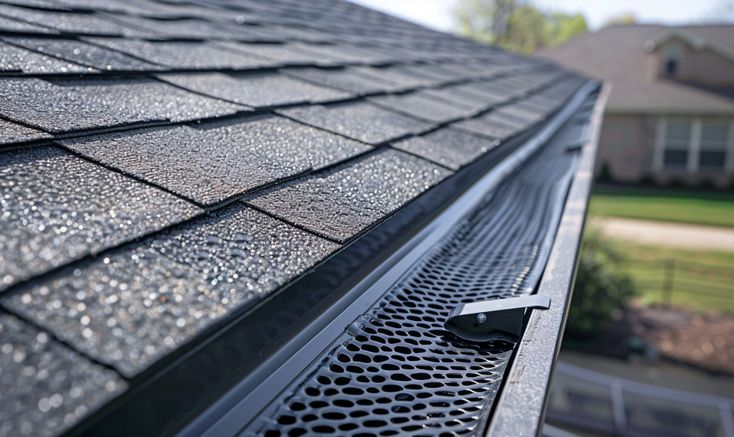
6. What Gutter Mesh Works Best in Areas With Heavy Rainfall?
Heavy rainfall changes the selection criteria.
A gutter guard must not only prevent leaves from entering the drainage system; it must also allow water to enter quickly enough.
For buildings exposed to intense storms, the following design details deserve attention.
Open Area Percentage
The open area ratio indicates how much of the mesh surface is available for water passage.
A larger open area may improve potential water entry, but it does not guarantee higher drainage performance once debris accumulates.
Installation Angle
A screen installed with a suitable slope may encourage leaves to move away from the drainage opening.
However, an unsuitable angle can cause water to overshoot the gutter.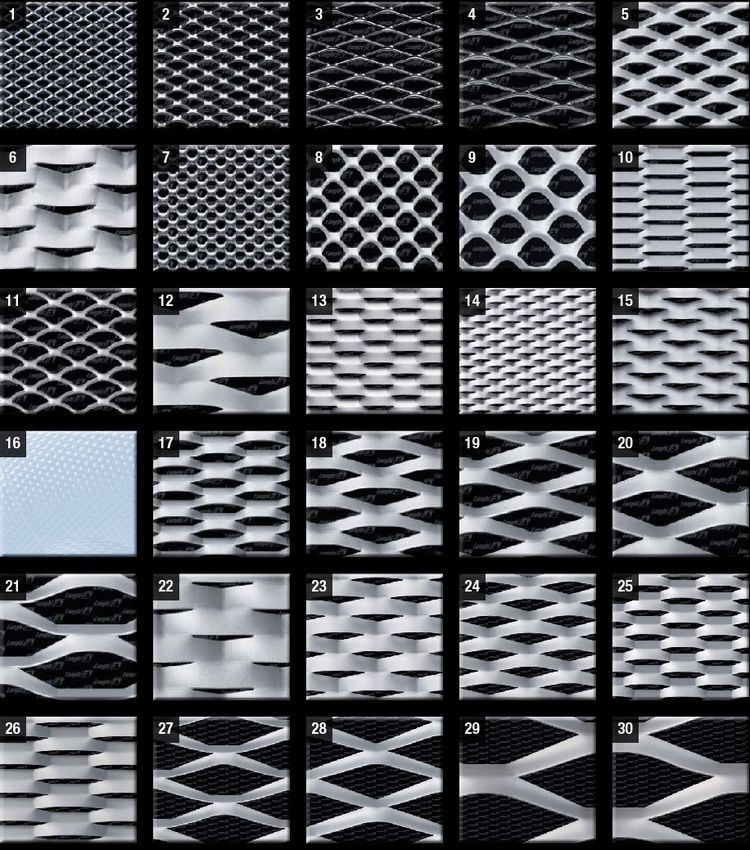
Gutter Capacity
Even an effective gutter guard cannot compensate for an undersized gutter or downpipe.
Rainfall intensity, roof catchment area, gutter slope, and downpipe capacity must be considered together.
Surface Conditions
Coatings, strand geometry, and accumulated dirt can influence how water behaves on the mesh.
For commercial roofing projects, testing the complete gutter guard assembly under representative rainfall conditions is more reliable than selecting mesh solely from an opening-size chart.
7. Which Aluminum Gutter Mesh Is Easier to Maintain?
A gutter mesh should reduce cleaning requirements, not make the gutter impossible to inspect.
In practice, maintenance depends on the surrounding environment.
For buildings beneath broadleaf trees, a relatively open aluminum mesh may be sufficient to stop larger leaves.
For houses surrounded by pine trees, fine screens may prevent more debris from entering, but their surfaces can require cleaning.
For industrial buildings, airborne dust and roof runoff contamination may become more important than leaf size.
The best maintenance-friendly design should allow debris removal and provide access for periodic gutter inspection.
No aluminum gutter guard should be described as completely maintenance-free.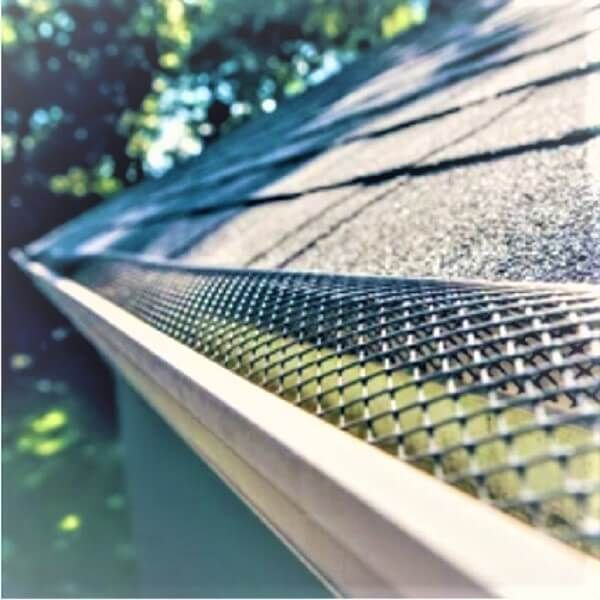
8. Can Aluminum Gutter Mesh Be Customized for Different Projects?
Standard gutter mesh products may not fit every roof drainage system.
Commercial buildings, factories, warehouses, and architectural projects can have different gutter widths, fixing methods, and drainage requirements.
At Foshan Qi Aluminum Decorative Materials Co., Ltd, we manufacture aluminum expanded mesh and decorative aluminum metal products for customized projects.
Depending on the mesh design and manufacturing feasibility, project specifications can include:
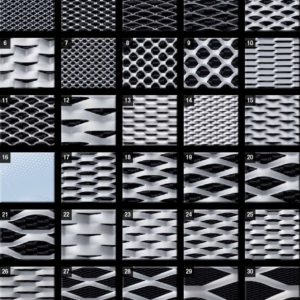
- Diamond opening dimensions and strand width
- Aluminum alloy and sheet thickness
- Custom panel dimensions
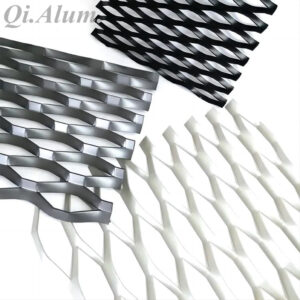
- Flattened or raised expanded mesh profiles
- Powder-coated or other suitable surface finishes
For gutter protection applications, we recommend evaluating the actual mesh opening, debris conditions, installation support, and water drainage requirements before confirming production specifications.
9. Final Verdict: Which Mesh Size Is Less Likely to Clog?
There is no universal aluminum gutter mesh size that prevents all blockages.
If large leaves are the main concern, relatively open mesh may be practical.
If pine needles and small debris are common, smaller openings may offer better screening, although surface cleaning becomes more important.
For many general applications, 2–4 mm openings provide a useful starting point for comparison, but this range should not replace project-specific testing.
The most effective gutter guard is not necessarily the one with the smallest holes.
It is the one that balances debris protection, water entry, structural stability, and practical maintenance.
Looking for Custom Aluminum Expanded Mesh?
Foshan Qi Aluminum Decorative Materials Co., Ltd supplies aluminum expanded mesh for architectural, industrial, and customized metal applications.
If your project requires specific opening dimensions, aluminum thicknesses, or panel sizes, contact our team to discuss manufacturing possibilities.
Website: https://aluminum-panel.com/
Email: [email protected]
WhatsApp: +86 13542961174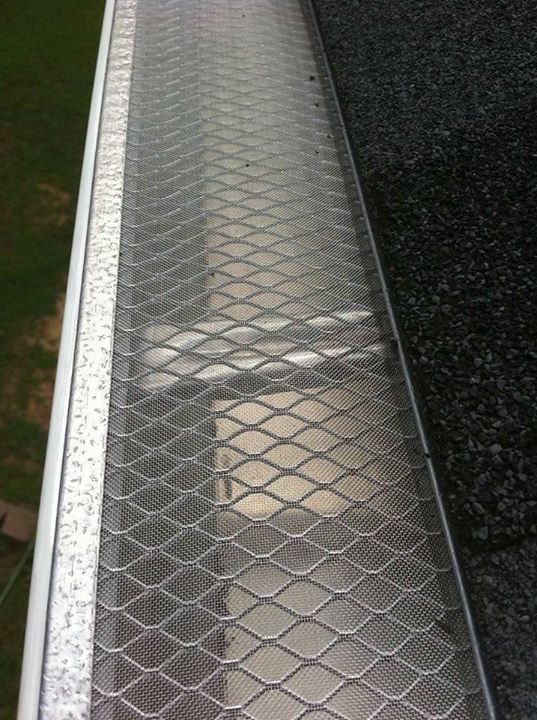

About us:
Foshan Qi Aluminum Decorative Materials Co.,Ltd, more than 12 years experience. We are manufacturer of fabricating aluminum perforated sheets, aluminum solid panels, aluminum screen,aluminum facade decorative sheets, aluminum expanded mesh, aluminum ceiling with good quality and fast delivery for more than 10 years to export countries. Our monthly supplying is about 80000 sqms for inside and outside market. Our projects covers five star hotel, high end villas, school, campus, metro station, airport, office building, shopping mall and some other goverment projects. We can provide design, fabrication and installation one stop service for your projects. High precision, quality guarantee, affordable price, globla delivery and considerate service is our basis. We accept OEM/ODM business. We are the experienced specialist on facade solution decoration!!!