Description
How to Reduce Noise and Vibration in Aluminum Wall Panel Facades?
Aluminum wall panels are widely used in commercial buildings, office towers, shopping malls, and other architectural projects. However, noise and vibration can sometimes occur after installation, especially in buildings exposed to strong winds or heavy traffic.
Common problems include panel rattling, clicking sounds, and vibration caused by wind pressure or loose connections. Fortunately, these issues can be reduced through proper panel design, fixing systems, and installation methods.
Here are some practical ways to improve the acoustic and structural performance of aluminum wall panel facades.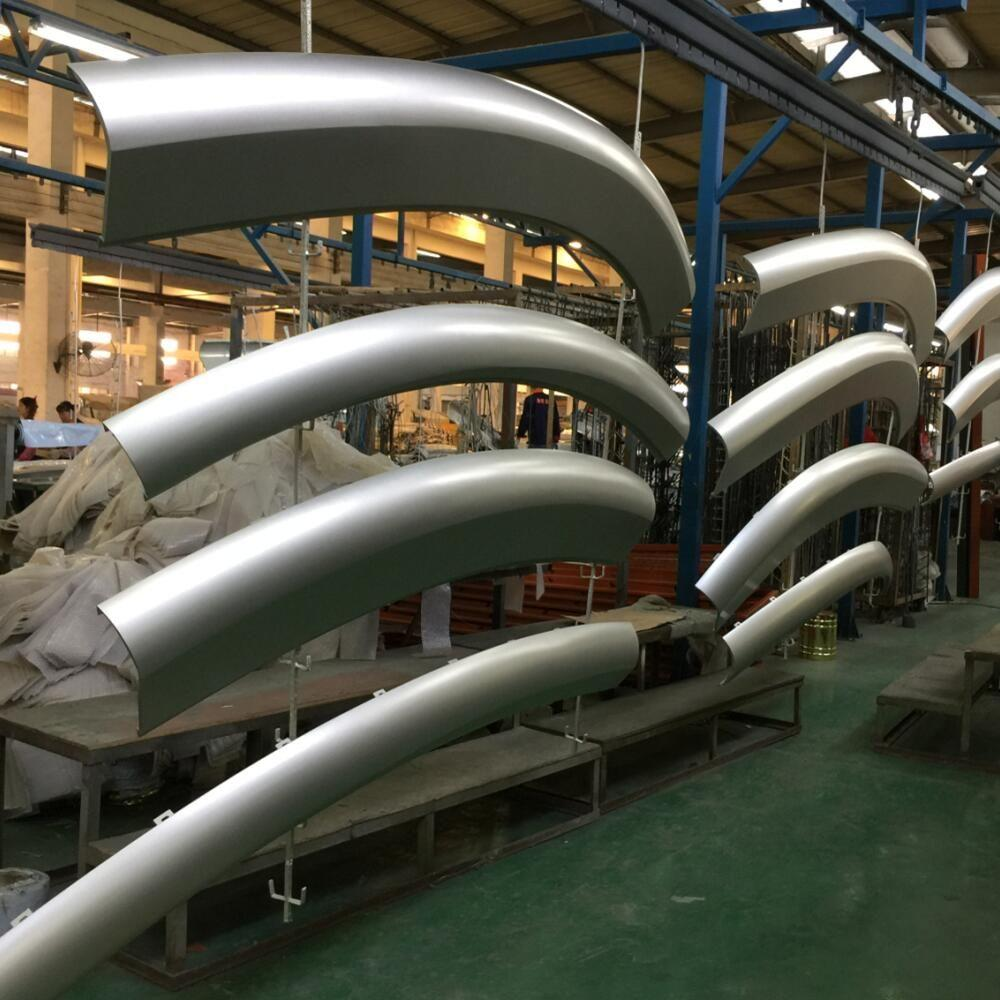
1. Choose the Right Aluminum Panel Thickness
Panel thickness is one of the factors affecting vibration. Thin aluminum panels may be more likely to vibrate when exposed to wind pressure, particularly when the panel size is large.
Choosing a suitable aluminum thickness according to panel dimensions, wind loads, and supporting conditions can help reduce excessive movement.
For large facade panels, manufacturers should evaluate the panel structure and reinforcement requirements before production.
2. Add Reinforcement Ribs to Large Panels
Large aluminum wall panels may need additional reinforcement ribs on the back to improve stiffness.
Reinforcement ribs help reduce panel deformation and limit vibration caused by wind loads. Their spacing and arrangement should be determined according to panel size, shape, and project requirements.
3. Use a Reliable Fixing System
Loose or poorly designed connections are common causes of noise in aluminum panel facades.
To avoid this problem:
-
Use suitable brackets and fixing accessories.
-
Ensure all bolts and screws are properly secured.
-
Check the connection between panels and supporting frames.
-
Avoid excessive gaps or unstable contact between components.
A well-designed fixing system helps keep aluminum panels stable during wind and temperature changes.
4. Install Anti-Vibration and Isolation Materials
In some facade systems, rubber pads, EPDM strips, or other suitable isolation materials can be installed between metal components.
These materials help reduce direct metal-to-metal contact, prevent rattling, and minimize vibration transmission.
However, the selected materials must be compatible with outdoor conditions, temperature changes, and long-term exposure.
5. Allow for Thermal Expansion
Aluminum expands and contracts when temperatures change. If panels are fixed too tightly without sufficient movement allowance, friction and stress may cause clicking or cracking sounds.
A suitable connection design should allow controlled thermal movement while maintaining panel stability.
This is particularly important for large aluminum facades and buildings exposed to significant temperature differences.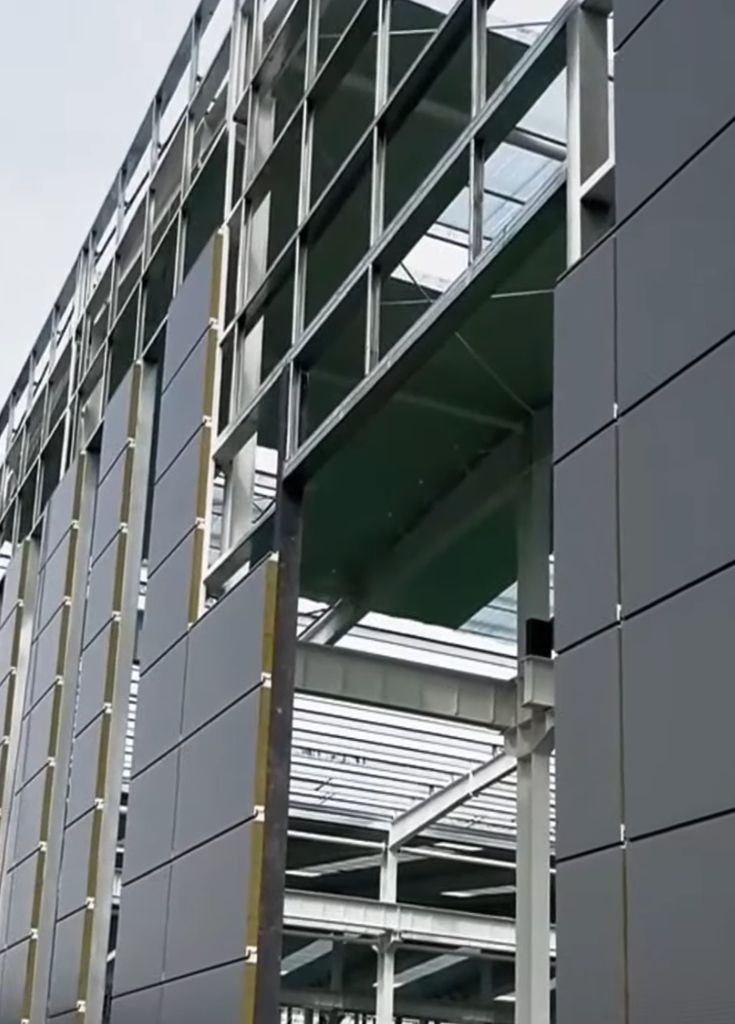
6. Improve the Supporting Structure
The supporting frame plays an important role in facade stability.
If the subframe is not sufficiently rigid or its connections are poorly installed, vibration can be transmitted to the aluminum panels.
Before installation, contractors should check:
-
Supporting frame alignment and stiffness.
-
Bracket connection quality.
-
Fixing point spacing.
-
Structural movement and wind load requirements.
A stable supporting system helps reduce unwanted movement across the entire facade.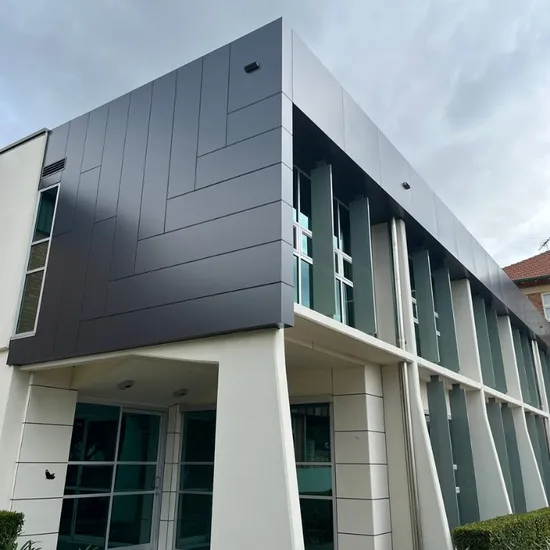
7. Consider Acoustic Insulation for Noise Reduction
If the main concern is traffic noise or outdoor sound entering the building, additional acoustic insulation may be required behind the aluminum facade system.
Materials such as mineral wool can help absorb sound within a properly designed facade assembly.
It is important to understand that thicker aluminum panels or reinforcement ribs alone do not provide significant sound insulation. Acoustic performance depends on the complete wall assembly, including insulation, air gaps, and the building’s internal wall structure.
Conclusion
Reducing noise and vibration in aluminum wall panel facades requires more than simply increasing panel thickness. Proper panel reinforcement, reliable fixing systems, vibration isolation materials, and well-designed supporting structures all contribute to better facade performance.
At Foshan Qi Aluminum Decorative Materials Co., Ltd., we manufacture aluminum wall panels for commercial and architectural projects, including large panels, curved panels, and special-shaped facade systems.
We can review your project drawings and recommend suitable panel structures, reinforcement details, and fabrication methods based on your requirements.
Planning an aluminum facade project? Send us your drawings for technical review and a factory quotation.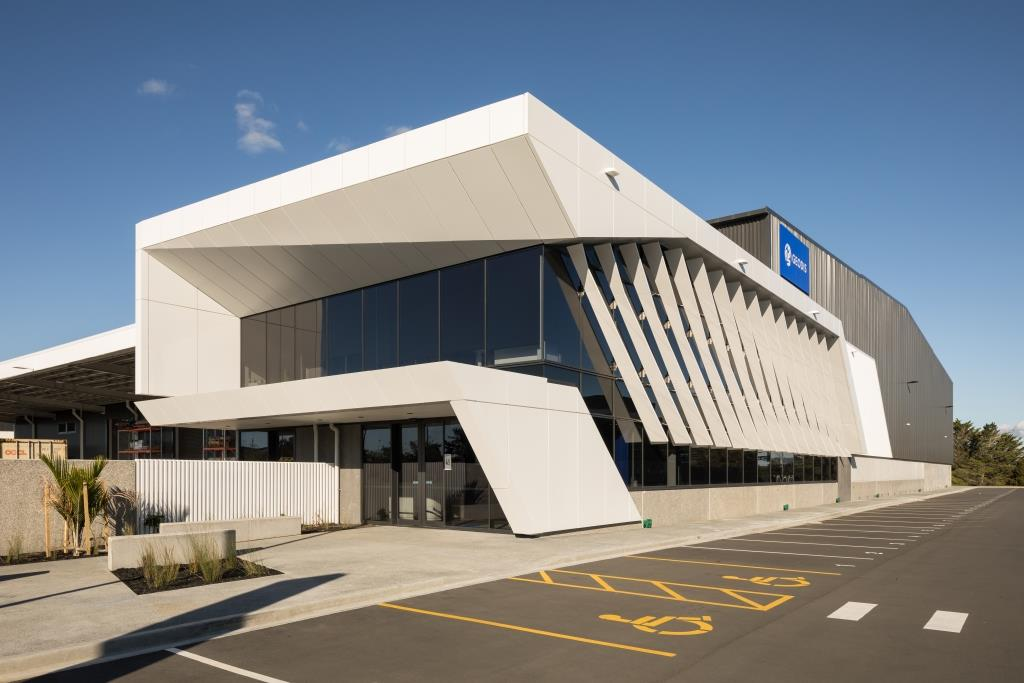

About us:
Foshan Qi Aluminum Decorative Materials Co.,Ltd, more than 12 years experience. We are manufacturer of fabricating aluminum perforated sheets, aluminum solid panels, aluminum screen,aluminum facade decorative sheets, aluminum expanded mesh, aluminum ceiling with good quality and fast delivery for more than 10 years to export countries. Our monthly supplying is about 80000 sqms for inside and outside market. Our projects covers five star hotel, high end villas, school, campus, metro station, airport, office building, shopping mall and some other goverment projects. We can provide design, fabrication and installation one stop service for your projects. High precision, quality guarantee, affordable price, globla delivery and considerate service is our basis. We accept OEM/ODM business. We are the experienced specialist on facade solution decoration!!!