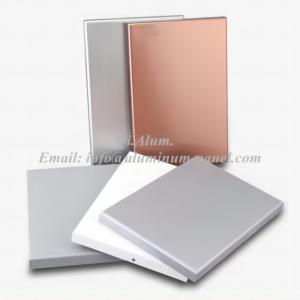
Description
How to Choose the Right Thickness for Aluminum Wall Panels?
Choosing the right thickness is an important part of designing an aluminum wall panel facade. Panel thickness affects stiffness, flatness, fabrication, installation, and overall project cost.
For exterior building facades, aluminum panels commonly come in thicknesses such as 2.0mm, 2.5mm, and 3.0mm. However, the best option depends on the panel dimensions, shape, installation system, and project requirements.
1. Understand Common Aluminum Panel Thicknesses
Different thicknesses are suitable for different facade applications.
- 2.0mm aluminum panels: Often used for smaller panels and projects with suitable support systems and lower structural demands.
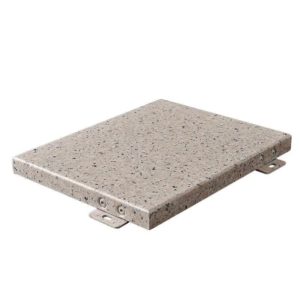
- 2.5mm aluminum panels: A common option for exterior wall cladding, offering a balance between panel stiffness, fabrication, and cost.
- 3.0mm aluminum panels: Often selected for larger panels, complex shapes, and projects requiring greater panel rigidity.
These are general application references rather than fixed rules. The final thickness should be confirmed through project-specific design and engineering requirements.
2. Consider the Panel Size
Panel dimensions are one of the main factors affecting thickness selection.
Larger aluminum wall panels usually require greater stiffness to control deformation and maintain a consistent facade appearance.
For example, a small flat panel may work well with 2.0mm aluminum, while a larger panel may require 2.5mm or 3.0mm material, depending on its support structure and wind load.
Before selecting the thickness, confirm the panel width, height, shape, and distance between fixing points.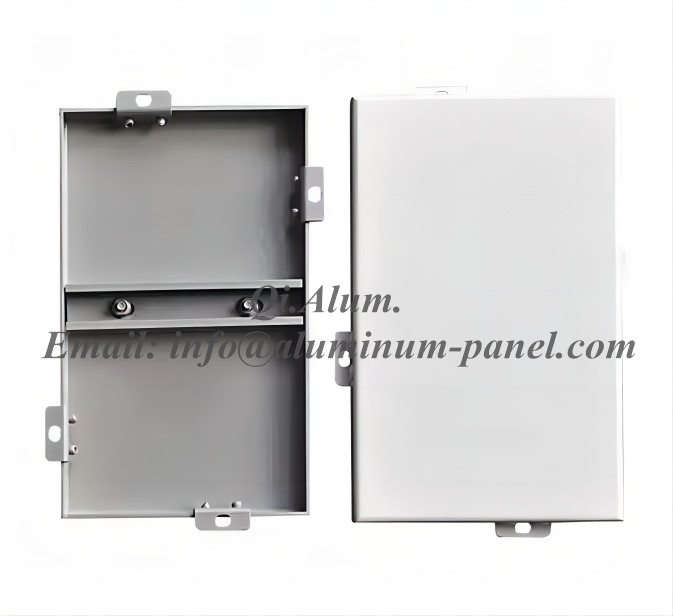
3. Consider the Panel Shape and Design
Different panel shapes have different fabrication and structural requirements.
- Flat panels: Thickness depends mainly on panel size, support spacing, and wind pressure.
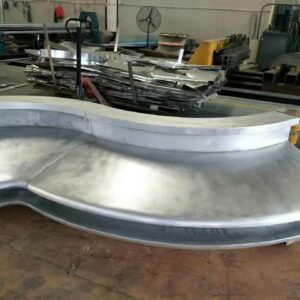
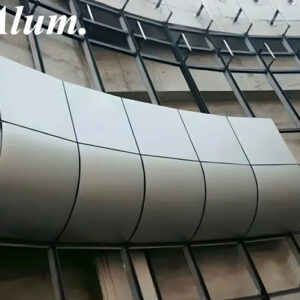
- Curved panels: Require consideration of bending radius, forming method, and final panel stiffness.
- Double-curved panels: Often involve more complex fabrication and need careful assessment of material thickness and forming processes.
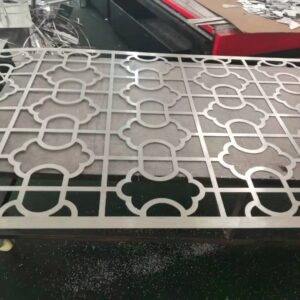
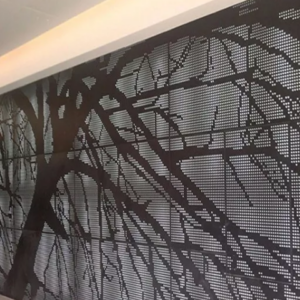
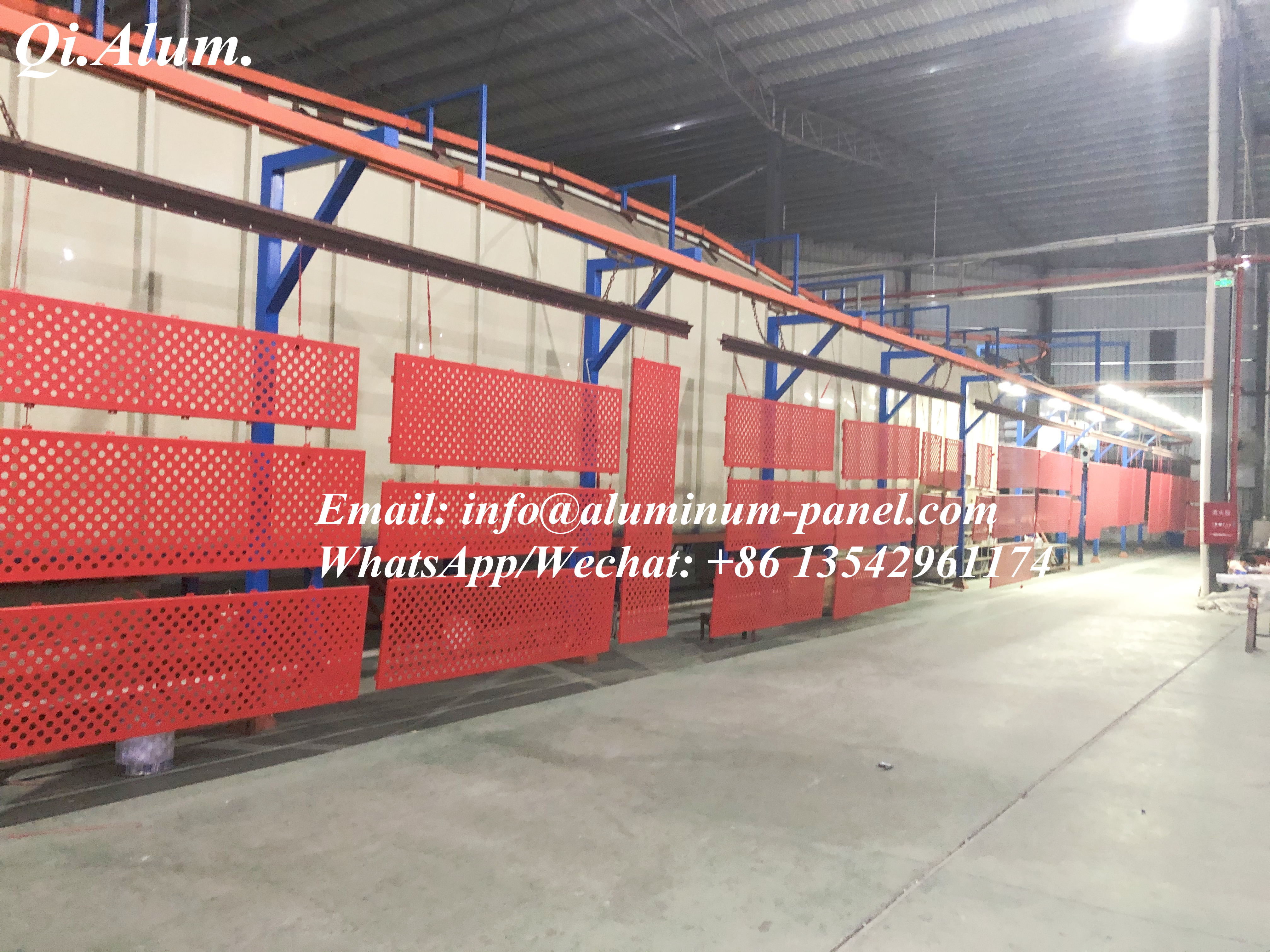
- Perforated panels: The hole size, spacing, and open area affect the remaining material strength.
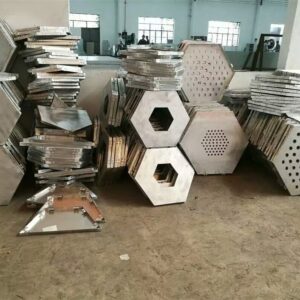
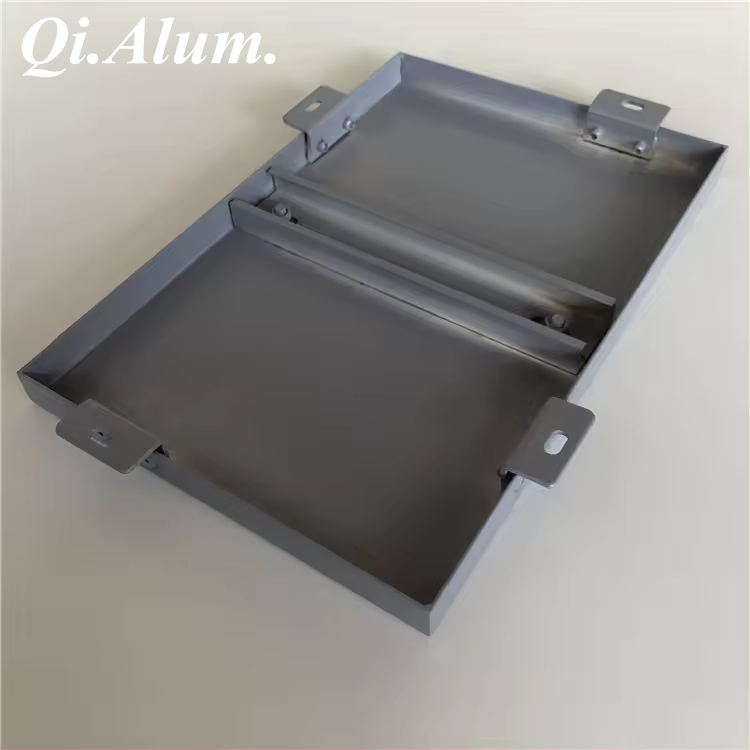
- Folded panels: Edge returns and reinforcement can improve rigidity, so the overall design should be considered rather than thickness alone.
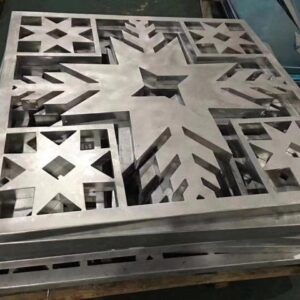
For special-shaped aluminum panels, it is best to confirm the fabrication details with the manufacturer before production.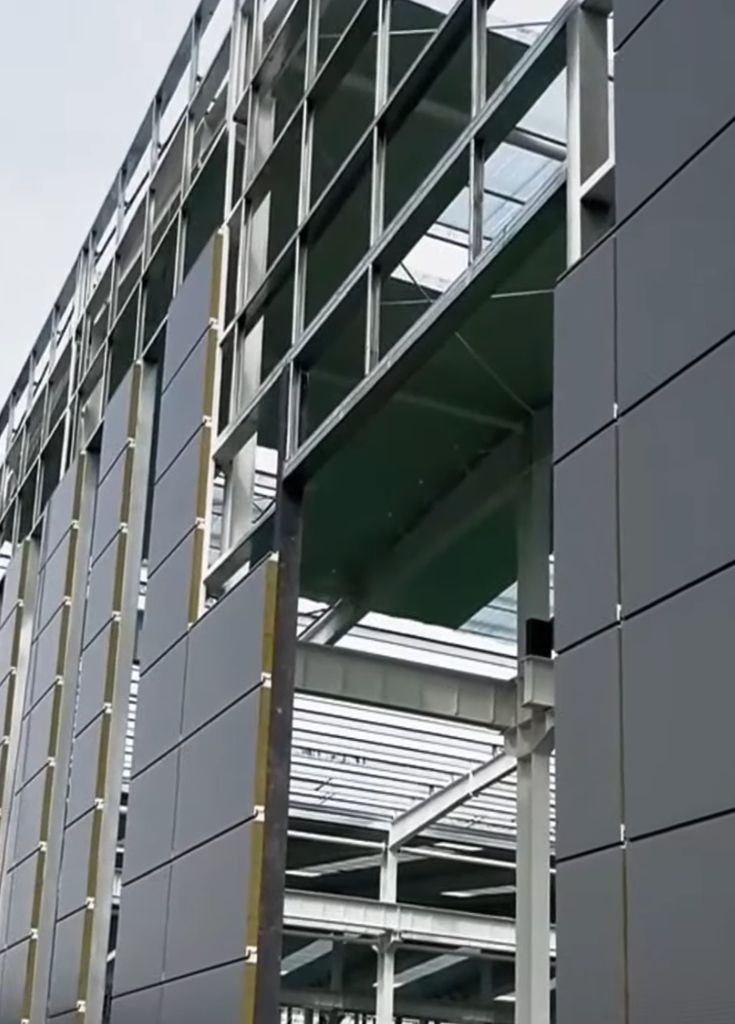
4. Check Wind Load and Building Height
Exterior aluminum wall panels must withstand wind pressure and suction during their service life.
For high-rise buildings, coastal projects, and buildings in areas with strong winds, thickness selection requires particular attention.
Important factors include:
- Building height and location
- Local wind load requirements
- Panel dimensions
- Support frame spacing
- Fixing methods
- Panel reinforcement and connection details
A thicker panel does not automatically guarantee a safe facade. Structural calculations and suitable fixing systems are also essential.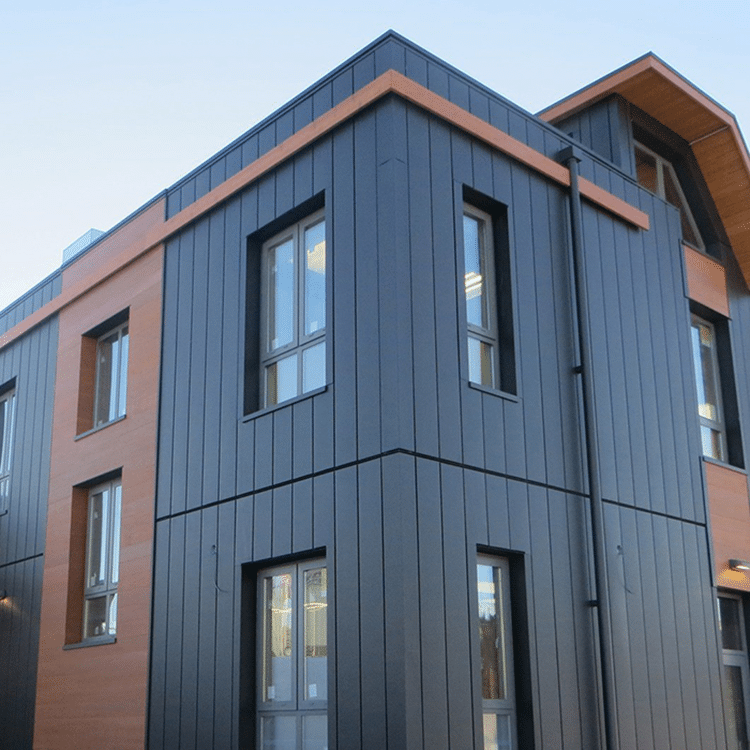
5. Check the Reinforcement and Installation System
Aluminum panel stiffness depends not only on the sheet thickness but also on its structural design.
For larger facade panels, reinforcement ribs, folded edges, brackets, and support frames can help reduce deformation.
Before production, buyers should confirm the following details:
- Panel fixing positions
- Reinforcement layout
- Support frame spacing
- Connection methods
- Joint gaps and expansion allowances
A well-designed installation system can improve panel performance without unnecessarily increasing material thickness.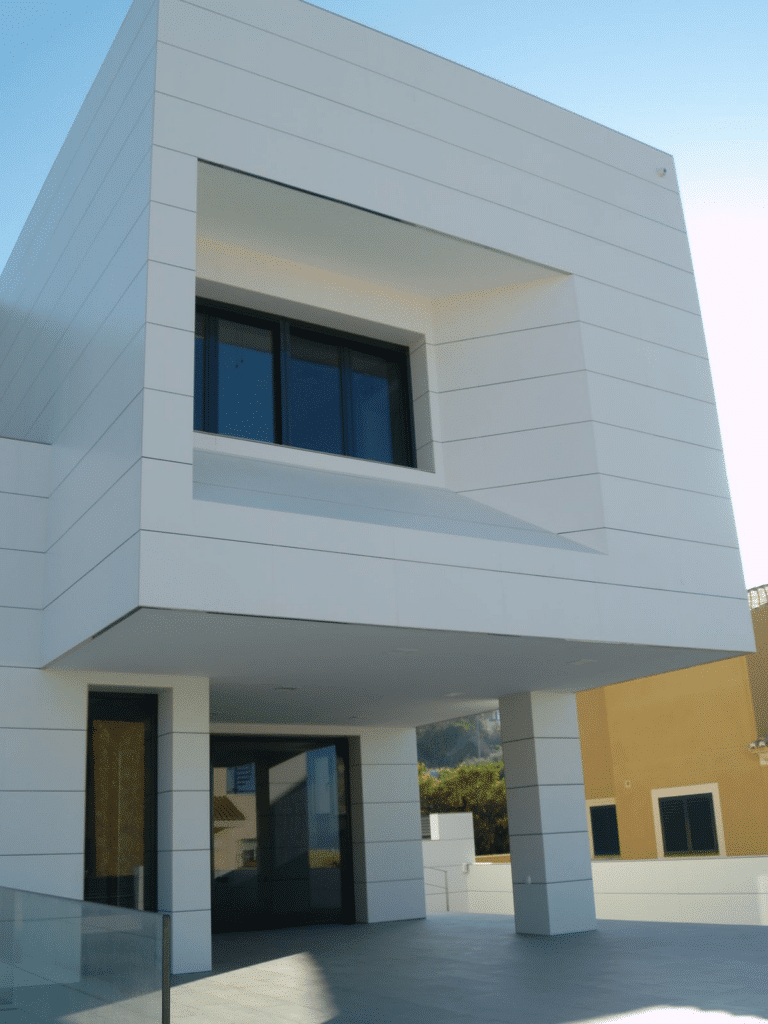
6. Balance Panel Thickness and Project Cost
Thicker aluminum panels generally require more raw material, which increases material costs and may affect fabrication and transportation expenses.
However, choosing a thickness that is too low may lead to unwanted deformation, installation difficulties, or additional reinforcement requirements.
The best approach is to select a thickness that meets the project’s structural and appearance requirements without unnecessary material costs.
For large projects, buyers should request quotations based on confirmed drawings and technical specifications.
7. Ask the Manufacturer for Technical Advice
Before ordering aluminum wall panels, provide the manufacturer with detailed project information, including:
- Panel dimensions and thickness requirements
- Aluminum alloy specifications
- Panel shapes and bending details
- Building height and project location
- Fixing and support system drawings
- Surface coating requirements
An experienced manufacturer can review the fabrication requirements and help identify potential problems before mass production.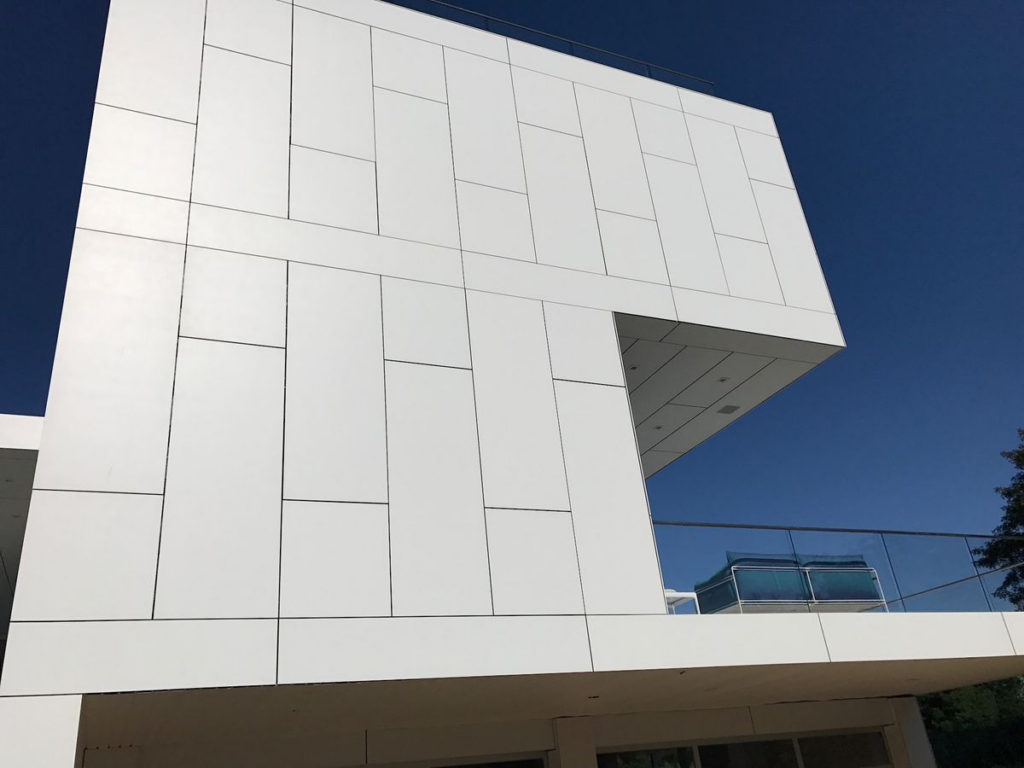
Conclusion
Choosing the right thickness for aluminum wall panels requires consideration of panel size, shape, wind load, reinforcement, installation methods, and project budget.
While 2.0mm, 2.5mm, and 3.0mm are common thickness options for exterior aluminum cladding, the final specification should always be based on project drawings and engineering requirements.
Foshan Qi Aluminum Decorative Materials Co., Ltd. manufactures aluminum wall panels in different thicknesses, shapes, and finishes for architectural facade projects. Our factory provides CNC processing, curved and double-curved panel fabrication, coating services, and technical support based on project drawings.
Contact us with your facade drawings to discuss suitable aluminum panel thicknesses and request a project quotation.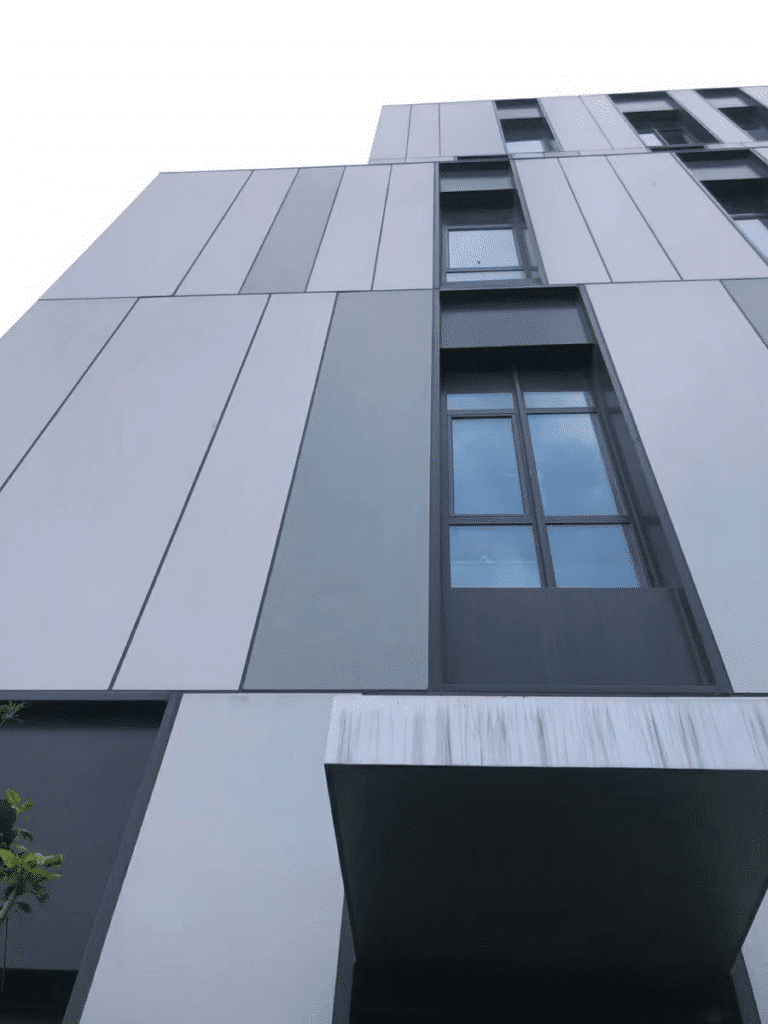
About us:
Foshan Qi Aluminum Decorative Materials Co.,Ltd, more than 12 years experience. We are manufacturer of fabricating aluminum perforated sheets, aluminum solid panels, aluminum screen,aluminum facade decorative sheets, aluminum expanded mesh, aluminum ceiling with good quality and fast delivery for more than 10 years to export countries. Our monthly supplying is about 80000 sqms for inside and outside market. Our projects covers five star hotel, high end villas, school, campus, metro station, airport, office building, shopping mall and some other goverment projects. We can provide design, fabrication and installation one stop service for your projects. High precision, quality guarantee, affordable price, globla delivery and considerate service is our basis. We accept OEM/ODM business. We are the experienced specialist on facade solution decoration!!!