Description
How to Choose Expanded Aluminum Mesh for Large Facade Projects
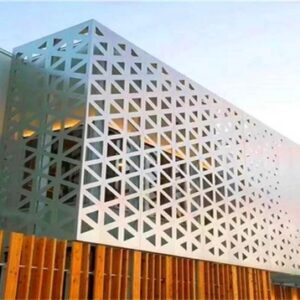
Choosing expanded aluminum mesh for a large building facade is not simply a matter of selecting an attractive mesh pattern. The right specification must balance appearance, wind resistance, panel size, installation methods, surface finish, and overall project cost.
For architects, facade contractors, and building material buyers, a mesh panel that looks good in a sample may behave differently when installed across hundreds or thousands of square meters. Understanding a few key factors before placing an order can help prevent unnecessary costs, installation delays, and design changes.
1. Choose the Right Mesh Opening and Strand Width
The mesh opening is one of the first specifications to consider when selecting expanded aluminum mesh for exterior walls.
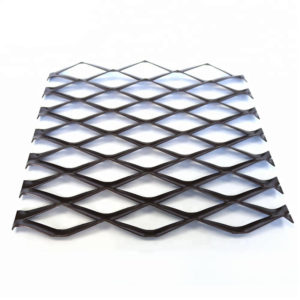
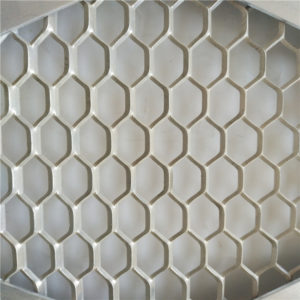
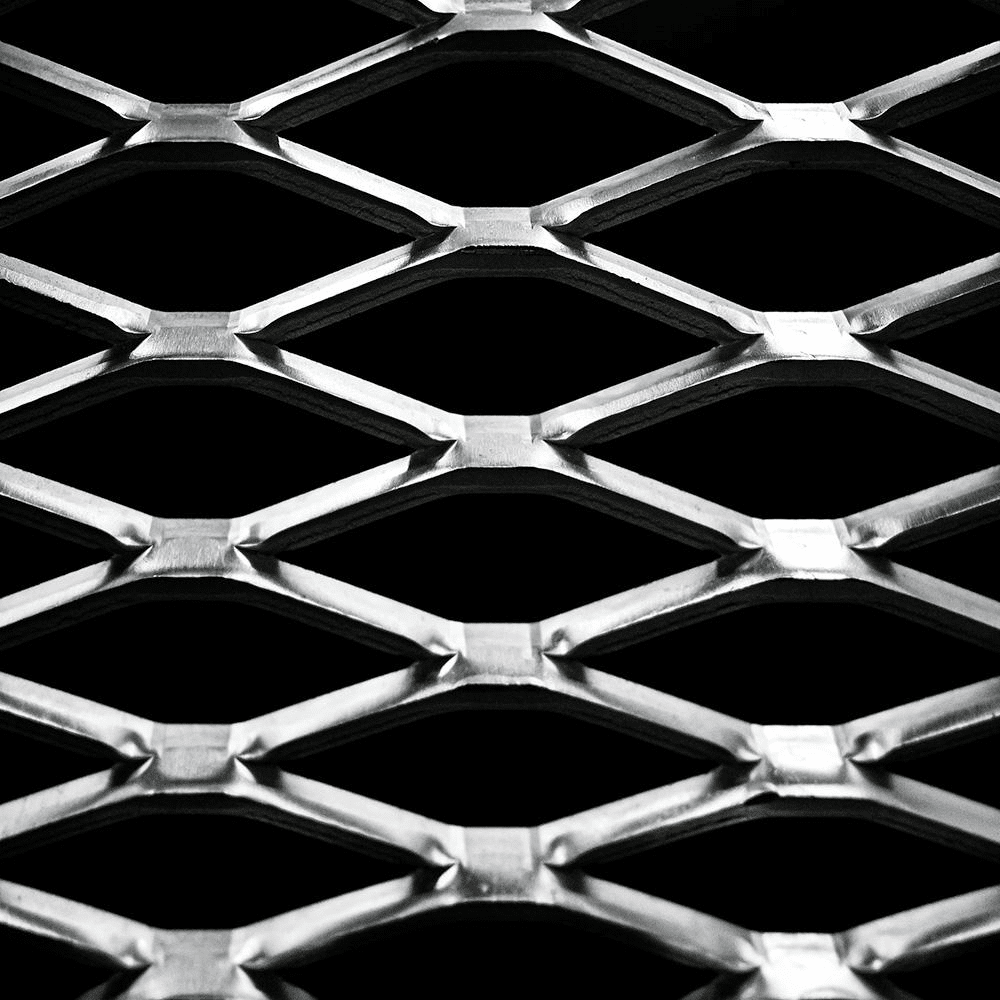
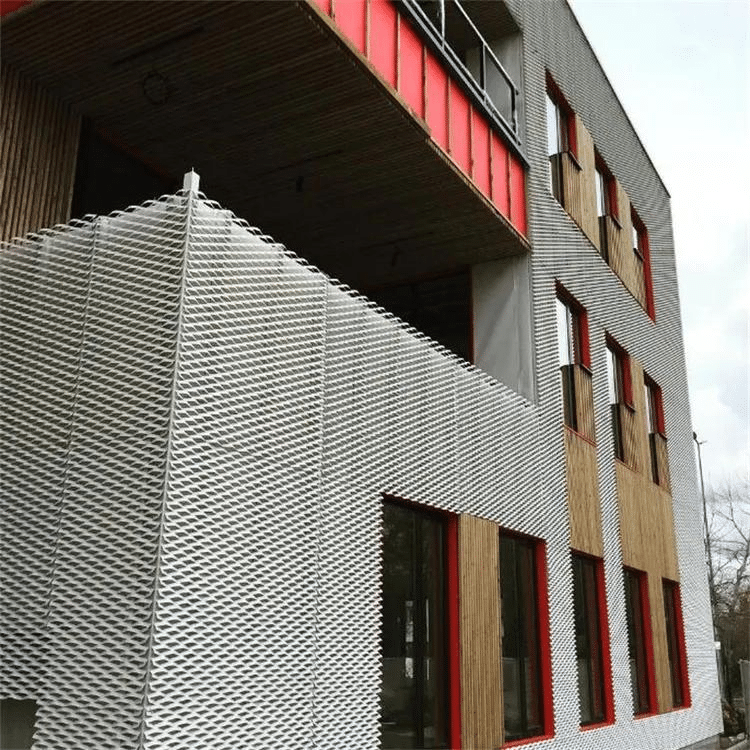
Expanded metal mesh is manufactured by cutting and stretching aluminum sheets into a continuous mesh structure. Its diamond-shaped openings allow air and light to pass through while creating a distinctive architectural appearance.
However, different mesh openings produce different visual effects and levels of transparency.
- Large mesh openings: Suitable for decorative facades, exterior screens, and projects requiring greater visibility and airflow.
- Small mesh openings: Often preferred for privacy screens, sun shading, and facades requiring a more enclosed appearance.
- Wider strands: Create a stronger visual pattern and may provide a more substantial appearance.
- Narrower strands: Produce a finer, more open design.
When requesting a quotation, provide the SWD (Short Way of Diamond), LWD (Long Way of Diamond), strand width, and material thickness whenever possible. These dimensions help manufacturers understand the intended mesh pattern and reduce misunderstandings between drawings and production.
2. Select the Appropriate Aluminum Thickness
Aluminum thickness is an important factor in large facade projects because it affects panel rigidity, weight, fabrication, and cost.
Commonly considered thicknesses include 1.5 mm, 2.0 mm, 2.5 mm, and 3.0 mm, although the suitable range depends on the mesh design and engineering requirements.
A thinner panel may reduce material weight and initial cost, but it can also be more susceptible to deformation during handling and installation. A thicker panel may provide greater stiffness in some configurations, but it also increases material consumption and may require stronger supporting components.
Do not select aluminum thickness based on panel size alone. The mesh opening, strand width, open area, unsupported span, wind pressure, fixing method, and building height must be considered together.
For large exterior wall applications, the facade contractor or project engineer should confirm the required panel specification and supporting structure before mass production begins.
3. Check Panel Dimensions and Installation Joints
Large expanded aluminum mesh panels can create a clean, continuous facade appearance, but oversized panels may introduce transportation, handling, and installation challenges.
Before confirming the panel dimensions, check:
- Overall panel width and height
- Maximum practical manufacturing dimensions
- Panel weight and handling requirements
- Joint width and alignment across the facade
- Edge folding, perimeter framing, or reinforcement
- Fixing positions and supporting rail spacing
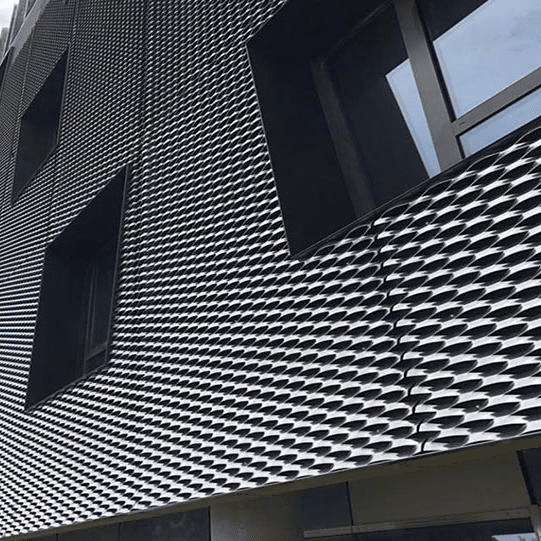
For example, a facade using panels approximately 1,300 × 3,000 mm may require a different framing arrangement from one using smaller modular panels. The final layout should be coordinated with the architectural drawings and the installation team’s capabilities.
It is also important to decide whether the mesh will be installed as individual panels, framed screens, or part of a secondary facade system.
For projects with irregular building elevations, corner details, or curved sections, discuss the fabrication requirements with the manufacturer before finalizing the design.
4. Evaluate Wind Load and Fixing Methods
Wind resistance is a major consideration when choosing expanded metal mesh for high-rise buildings and exposed exterior facades.
Although expanded aluminum mesh has an open structure, this does not mean wind load can be ignored. The actual aerodynamic behavior depends on the mesh geometry, open area, panel dimensions, building location, height, and surrounding conditions.
The supporting system is equally important. A suitable installation design may include aluminum or steel subframes, brackets, perimeter reinforcement, and mechanical fasteners.
Before production, coordinate the following details:
- Design wind pressure and applicable local building codes.
- Panel dimensions and mesh open area.
- Bracket positions and fixing-point spacing.
- Supporting frame strength and connection details.
- Allowances for thermal expansion and installation tolerances.
For large commercial or high-rise projects, obtain engineering verification for the complete facade assembly rather than relying solely on the strength of the mesh sheet.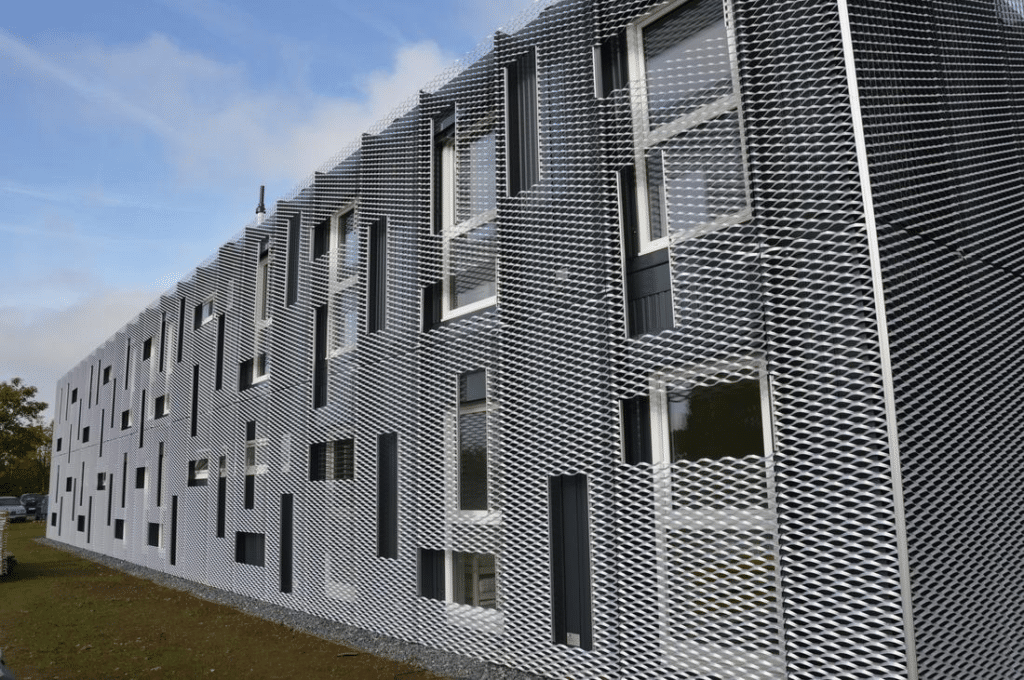
5. Choose a Surface Finish for Outdoor Use
The surface finish affects the appearance, weather resistance, and maintenance requirements of expanded aluminum mesh.
For exterior facade applications, powder coating and PVDF coating are common options. The appropriate choice depends on the project environment, color requirements, exposure conditions, and expected service life.
Powder-coated expanded aluminum mesh
Powder coating offers a broad selection of colors and finishes, making it suitable for commercial buildings, residential developments, parking structures, and decorative screens.
PVDF-coated expanded aluminum mesh
PVDF coating is often considered for architectural projects requiring long-term exterior color retention and weathering performance. It can be a suitable option for exposed facades, subject to the coating system and project specifications.
When comparing suppliers, ask about the coating system, pretreatment process, coating thickness, color consistency, and applicable warranty terms.
If your project specifies a RAL color, request a physical color sample before approving mass production. Viewing the finish on an actual aluminum mesh sample can help you evaluate how the coating looks across the strands and mesh openings.
6. Consider Open Area, Privacy, and Sun Shading
The open area of expanded aluminum mesh affects the facade’s transparency, ventilation, daylight transmission, and shading performance.
A more open mesh can provide greater visual permeability, while a denser pattern may offer more screening and solar shading. However, the actual performance depends on the mesh geometry, installation angle, distance from the building, and orientation of the facade.
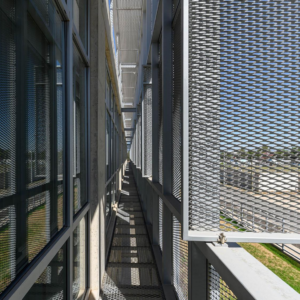
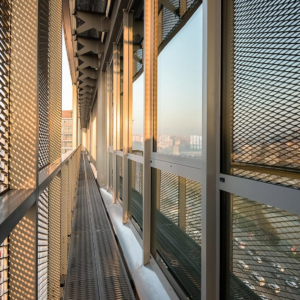
For parking garages, expanded metal mesh can screen vehicles and service areas while maintaining airflow. For commercial buildings, it can create a decorative second-skin facade. For residential and hospitality projects, the mesh may be used for balconies, privacy screens, and sun-shading elements.
If the main goal is to reduce solar heat gain, consider the facade orientation, local climate, and shading design rather than selecting mesh based on appearance alone.
For projects with specific ventilation, daylight, or energy-performance targets, request technical information or project-specific testing where necessary.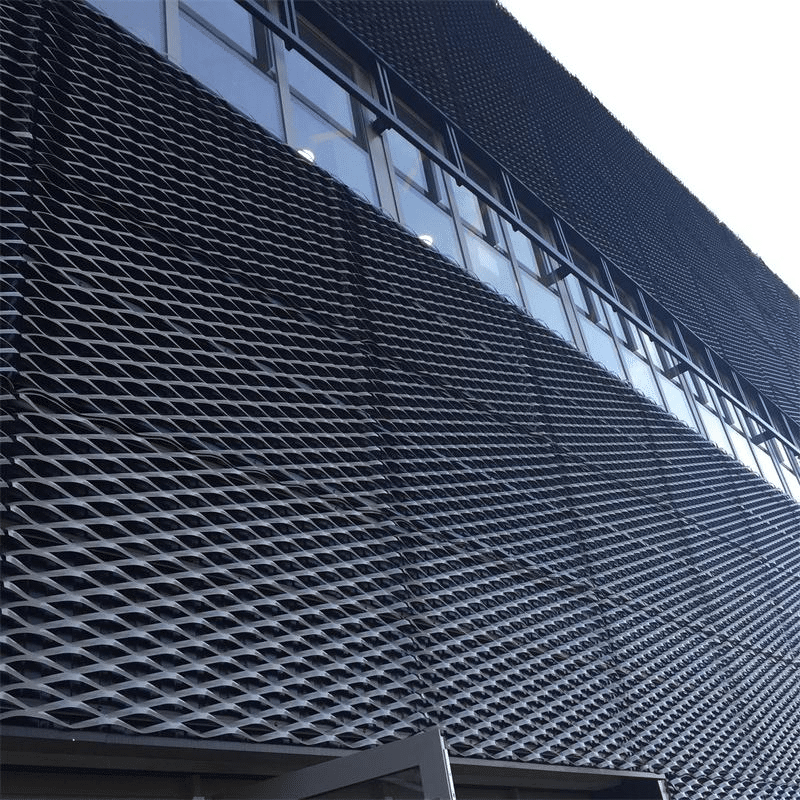
7. Compare Expanded Aluminum Mesh Prices Correctly
When purchasing expanded aluminum mesh in bulk, the lowest price per square meter does not always mean the lowest overall project cost.
A quotation may vary according to:
- Aluminum alloy and material thickness
- SWD, LWD, and strand width
- Panel dimensions and cutting requirements
- Powder coating or PVDF coating
- Perimeter framing and reinforcement
- Quantity, packaging, and shipping destination
- Delivery terms, including DDP where available
One important detail is how the supplier calculates the quoted area. Confirm whether the price is based on the original sheet dimensions, finished panel dimensions, or another agreed measurement method.
For a large facade project, request a detailed quotation that separates the mesh panels, framing, surface treatment, packaging, and shipping costs. This makes it easier to compare offers on the same technical basis.
Ordering samples and confirming a prototype panel before bulk production can also reduce the risk of expensive changes later.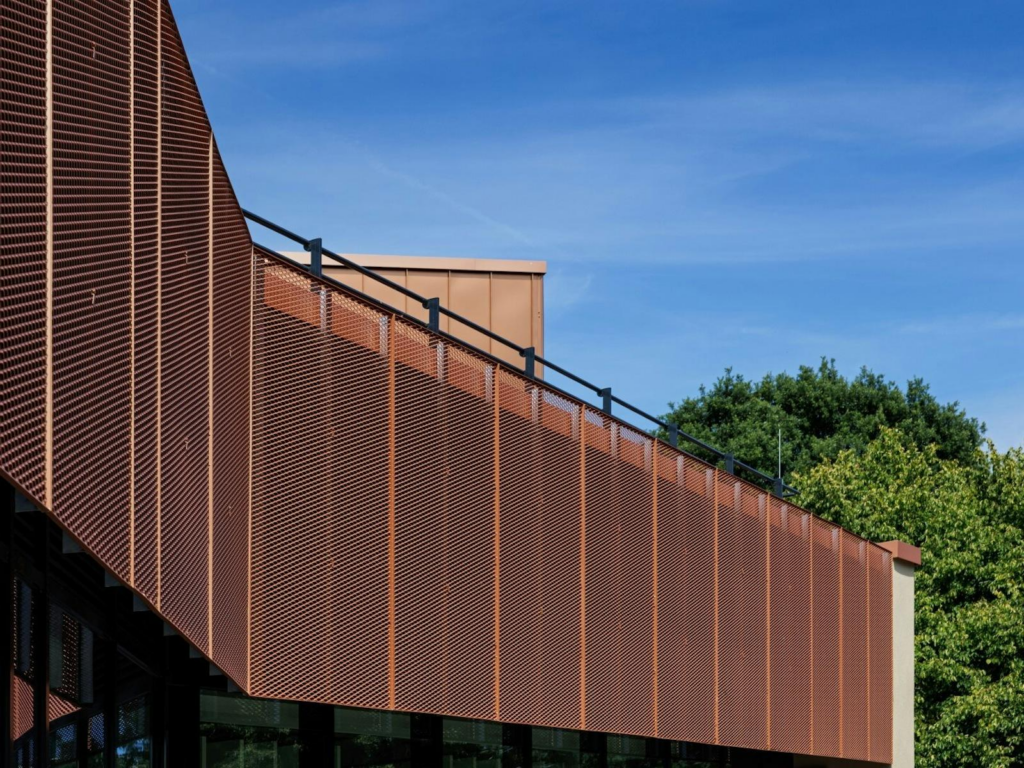
8. Work With a Manufacturer That Understands Facade Projects
Large facade orders require more than the ability to produce expanded metal sheets. The manufacturer should understand architectural drawings, panel layouts, finishing requirements, packing, and coordination with the installation team.
Before placing an order, ask the supplier:
- Can you manufacture expanded aluminum mesh according to project drawings?
- Can you supply different mesh openings, thicknesses, and panel dimensions?
- Can you provide powder-coated or PVDF-coated finishes?
- Can you prepare samples for color and pattern approval?
- Can you coordinate panel labeling and packing for installation?
- Can you support export shipping and project delivery schedules?
A manufacturer with experience in architectural aluminum products can help identify potential production and installation issues before they become costly problems on site.
Expanded Aluminum Mesh for Architectural Facades From Foshan Qi Aluminum
Foshan Qi Aluminum Decorative Materials Co., Ltd. manufactures aluminum decorative panels and architectural metal products for building facade and interior applications.
Our expanded aluminum mesh solutions can be discussed according to project requirements, including mesh patterns, aluminum thickness, panel dimensions, surface finishes, and fabrication details.
For contractors, facade companies, importers, and architectural material buyers, we can help review drawings and develop a specification for quotation. Samples and project-specific production discussions are available to help confirm the mesh pattern and finish before bulk orders.
We also support export orders and can discuss shipping arrangements, including DDP delivery where applicable.
Planning a large facade project? Send us your architectural drawings, estimated quantity, mesh opening dimensions, aluminum thickness, preferred color, and delivery destination. Our team can review the requirements and provide a quotation based on your project specifications.
Website: https://aluminum-panel.com/
Frequently Asked Questions
What is the best thickness for expanded aluminum mesh facades?
There is no single best thickness for every facade. The appropriate specification depends on mesh geometry, panel dimensions, wind pressure, fixing details, and the supporting structure. Common thicknesses include 1.5 mm, 2.0 mm, 2.5 mm, and 3.0 mm, but the final selection should be verified for the project.
Is expanded aluminum mesh suitable for high-rise buildings?
Yes, expanded aluminum mesh can be used in high-rise facade systems when the complete assembly is appropriately designed and verified. Wind load, panel retention, brackets, supporting frames, corrosion compatibility, and local building requirements must all be addressed.
Does expanded metal mesh rust outdoors?
Aluminum does not rust in the same way as ordinary carbon steel, but it can corrode under certain environmental conditions. Suitable alloy selection, pretreatment, coating, drainage, and maintenance are important, particularly in coastal or industrial environments.
Can expanded aluminum mesh be made in custom sizes?
Yes. Expanded aluminum mesh can be produced and fabricated to suit different project dimensions, subject to the manufacturer’s equipment and production capabilities. Panel layouts, edge details, framing, and transportation limits should be confirmed before ordering.
How do I get an accurate quotation for expanded aluminum mesh?
Provide the required quantity, panel dimensions, SWD and LWD, strand width, thickness, alloy, surface finish, drawings, and delivery location. If some details are not yet finalized, a reference drawing or sample can help the manufacturer recommend a suitable starting specification.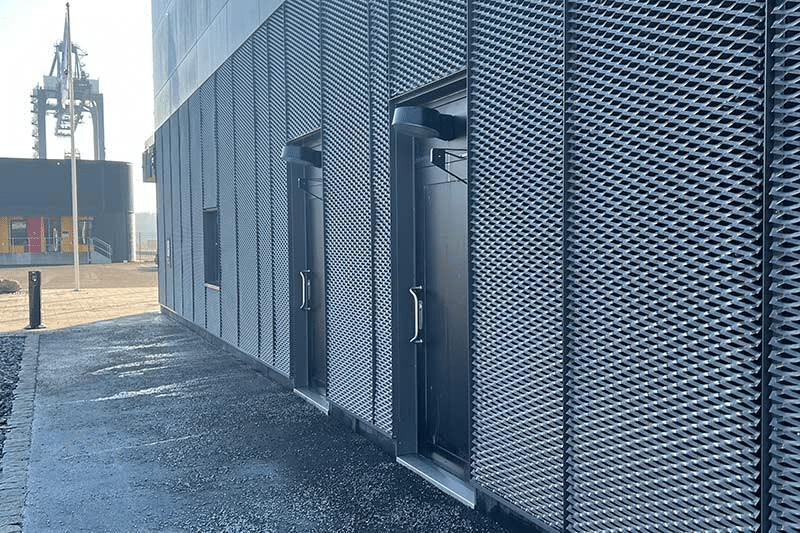
About us:
Foshan Qi Aluminum Decorative Materials Co.,Ltd, more than 12 years experience. We are manufacturer of fabricating aluminum perforated sheets, aluminum solid panels, aluminum screen,aluminum facade decorative sheets, aluminum expanded mesh, aluminum ceiling with good quality and fast delivery for more than 10 years to export countries. Our monthly supplying is about 80000 sqms for inside and outside market. Our projects covers five star hotel, high end villas, school, campus, metro station, airport, office building, shopping mall and some other goverment projects. We can provide design, fabrication and installation one stop service for your projects. High precision, quality guarantee, affordable price, globla delivery and considerate service is our basis. We accept OEM/ODM business. We are the experienced specialist on facade solution decoration!!!